Introduction
Nutrition is one of the most important topics in the Class 10 science syllabus since it teaches how living things get and use food to stay alive. Food is necessary for all living things, from microscopic microbes to big people. Food gives you energy, helps you grow, fixes damaged tissues, and keeps your body working properly. Life cannot exist without the right kind of food.
When students inquire what is nutrition class 10 is, they are really seeking to learn about the basic life process that lets living things grow, develop, and keep their bodies healthy. Nutrition is very important for your health, your immune system, your physical strength, and your brain growth. Students who have a good grasp of nutrition know how important it is to consume a balanced diet and live a healthy life.
In Class 10 biology, students learn about nutrition as a life process in a way that is both simple and scientific. The chapter talks about what nutrition is, what nutrients the body needs, and how plants and animals get their nutrients. This basic knowledge gets kids ready for more advanced biology ideas in higher grades.
What is Nutrition
Nutrition is the process by which living things eat food and use it to get energy, develop, fix tissues, and do the things they need to do to stay alive. Nutrients are important parts of food that the body needs to work properly.
There are four main steps to nutrition. These are eating food, breaking it down into simpler parts, taking in nutrients, and assimilation, which is when cells use nutrients. Any interruption in these stages can cause health problems and diseases caused by not getting enough of something.
To understand what is nutrition class 10 is, you need to know this definition, which is the basis for all other topics. Nutrition is not just about what you eat; it’s also about how your body uses food to stay alive.
Why Nutrition is Important for Living Things
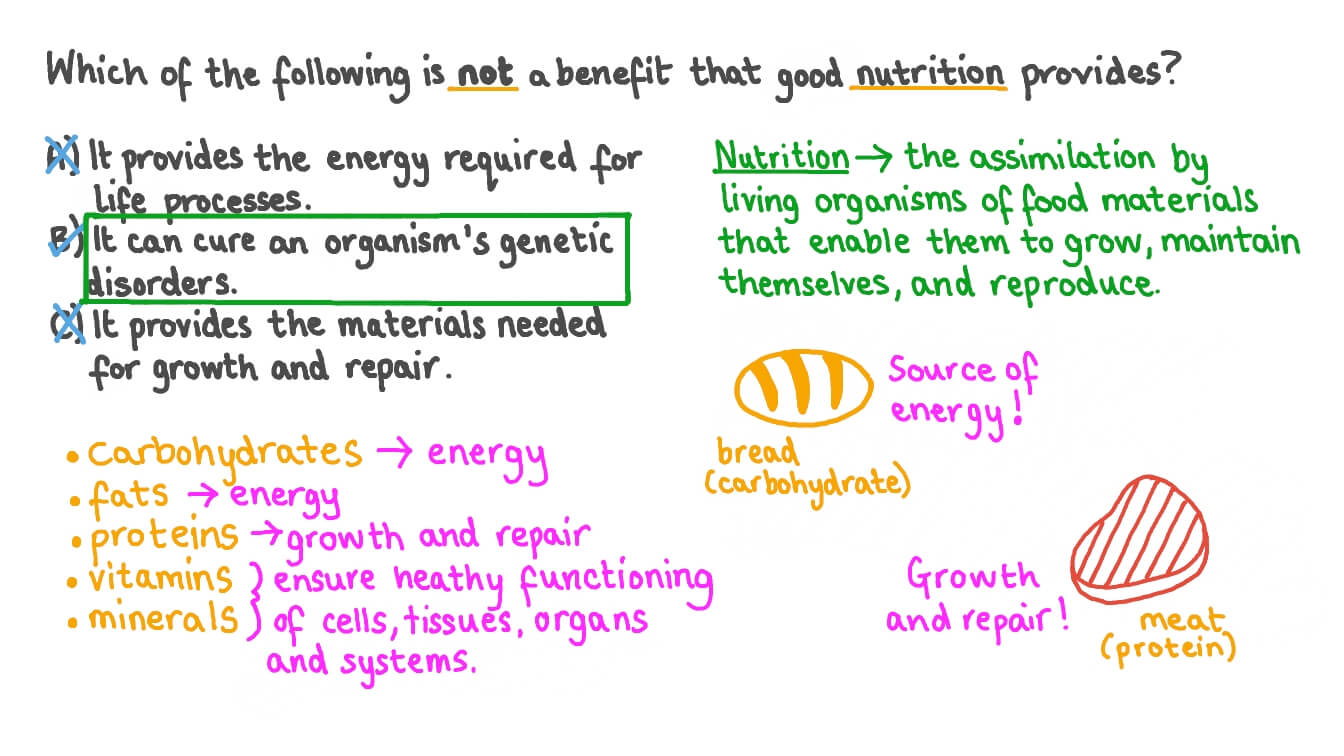
All living things need food since it gives them energy for their metabolic processes. Food gives the body energy, which is needed for every activity, thinking, and chemical reaction. Without the right nutrients, living things become feeble and can’t do their everyday tasks well.
Nutrition also helps you grow and develop. Good diet is important for the physical and mental growth of children and teens. It helps adults keep their bodily tissues healthy and speeds up the healing process. For plants to grow, blossom, and make seeds, they need nutrients.
Another crucial thing that eating does is keep the immune system strong. Proteins, vitamins, and minerals are some of the nutrients that aid the immune system and keep the body from being sick. Not eating well can make the immune system weaker and make organisms more likely to get sick.
This is why the subject of nutrition class 10 is vital for both tests and for comprehending health and well-being in real life.
Nutrients and What They Do
Nutrients are the chemicals in food that the body needs. They are necessary for survival and do specific things. Based on how much the body needs, nutrients are divided into two main groups: macronutrients and micronutrients.
The body gets most of its energy from carbohydrates. Cells use glucose, which is what they break down into. Proteins are necessary for the growth, repair, and upkeep of biological tissues. Fats store energy and help protect and insulate important organs.
Vitamins and minerals are needed in modest amounts, yet they are very important for keeping the body’s processes in check. Vitamins are good for your skin, eyes, and immune system, and minerals like calcium and iron are important for strong bones and healthy blood.
Water is also an important nutrient since it helps with digestion, absorption, moving nutrients around, and getting rid of waste. To stay healthy, you need to get the right amount of all the nutrients.
When students learn what is nutrition class 10, they are introduced to these nutrients and their functions in a structured and easy-to-understand way.
Ways of Eating
Different types of living things get their nourishment in different ways, depending on how they are built and where they live. The way that living things get and use food is called their mode of nutrition. In Class 10 biology, there are two primary types of nutrition: autotrophic and heterotrophic.
Autotrophic nutrition is the way that organisms get their nourishment by making it themselves. Photosynthesis is the process by which green plants turn sunlight, carbon dioxide, and water into food. This kind of nutrition is very important because it is the basis of the food chain.
Heterotrophic nutrition is the way that organisms get their sustenance from other species. This kind of nutrition is seen in animals, fungi, and most microorganisms. They can’t cook their own food, therefore they have to eat plants or other animals.
Students learn about the interconnectedness of living things by learning about the several ways they get their food. This idea is a big element of what you learn in nutrition class 10. It talks about how energy moves across ecosystems.
A Detailed Look into Autotrophic Nutrition
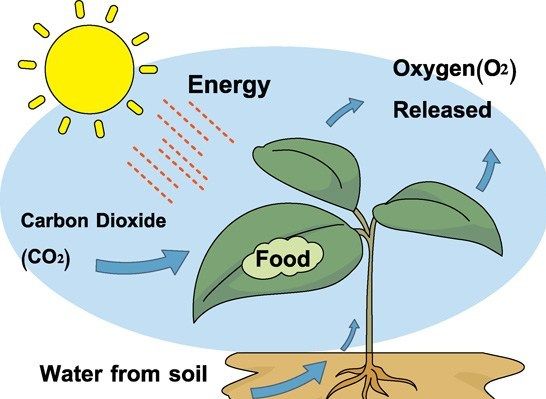
Green plants, algae, and certain bacteria are the principal organisms that use autotrophic nourishment. Chlorophyll is a green pigment that helps these creatures catch sunlight. Plants make glucose and oxygen during photosynthesis by using sunlight, carbon dioxide, and water.
Photosynthesis is a chemical reaction that changes light energy into chemical energy. Plants need the glucose they make for energy, growth, and storage. If you have too much glucose, your body will store it as starch for later use.
Autotrophic nutrition is vital since it gives nourishment to all other living things, either directly or indirectly. Plants are the main source of food for animals, and even predators depend on herbivores that consume plants.
This process shows how important plants are for life on Earth, and it’s a big part of what is nutrition class 10 all about.
A Detailed Look into Heterotrophic Nutrition
Heterotrophic feeding is present in creatures incapable of synthesizing their own nourishment. These species rely on autotrophs or alternative heterotrophs for sustenance. There are many types of heterotrophic nutrition based on how food is obtained.
Holozoic nutrition is shown in animals that eat food, break it down, absorb it, and use it. This is how people eat. Fungi and other organisms that feed on dead and decaying substances are examples of saprophytic feeding. Parasitic nutrition happens when one organism lives on or inside another and eats its food.
Different types of heterotrophic nutrition reveal how different animals eat in nature. Learning about these kinds of things helps students comprehend how different organisms survive and makes their comprehension of nutrition class 10 stronger.
People’s Nutrition
Human nutrition involves the intake of food followed by digestion, absorption, assimilation, and egestion. The human digestive system is designed to do these things well.
The mouth is where digestion starts. This is where food is chewed and combined with saliva. Then it goes through the stomach and intestines, where enzymes break down complicated food into simpler parts. These nutrients get into the blood and are sent to cells.
People need balanced eating to stay healthy, have energy, and have a strong immune system. An unbalanced diet can cause malnutrition, obesity, or ailments caused by a lack of nutrients.
This part links what students learn in class to what they do every day, making the topic of nutrition class 10 more useful and relevant.
Nutrition and a Balanced Diet

A healthy diet is one that has all the proper amounts of all the important nutrients. It has minerals, vitamins, water, roughage, lipids, proteins, and carbs. Eating a balanced diet is important for the body’s growth, development, and maintenance.
A diet that isn’t balanced can lead to a lot of health problems. Eating too many fats and carbohydrates can make you fat, while not getting enough proteins and vitamins can make you weak and sick. So, learning about nutrition helps pupils choose better foods.
Students in Class 10 are told to learn about how diet and health are related. This information helps children learn healthy behaviors early on and shows how important nutrition class 10 is in real life.
Nutritional Deficiency Diseases
When the body doesn’t get enough of the nutrients it needs for a long time, it can get deficiency disorders. These illnesses show how important it is to eat well. For instance, not getting enough vitamin C can induce scurvy, while not getting enough vitamin D can make bones weak.
Not getting enough protein might slow down growth and make your immune system weaker. Anemia is caused by not getting enough iron, which makes you tired and weak. Eating a balanced and healthy diet can help stop certain kinds of disorders.
Students learn about deficiency diseases to understand how bad nutrition can affect their health and why nutrition is so important for staying alive. This is a big part of what you learn in nutrition class 10.
The Importance of Nutrition in Growth and Development
Nutrition is very important for the body’s growth and development, especially when you’re a youngster or a teenager. Getting the right amount of nutrients helps the body expand, the brain develop, and hormones stay in balance.
Not getting enough nutrients in the early years can cause health problems later on. It can have an effect on how well you learn, how strong you are, and how well your immune system works. So, nutrition is crucial not just for staying alive, but also for having a good life.
Students in class 10 are at a point in their lives where learning about nutrition might help them make better choices. This makes the subject of nutrition class 10 vital for both school and personal reasons.
Food and Making Energy

Every action in the body needs energy, from breathing to sprinting. Nutrition provides this energy through carbohydrates, fats, and proteins. Calories are what we use to measure the energy in food.
Cellular respiration is how cells turn the energy in food into a form that they can use. This energy helps with metabolism, development, repair, and movement. The body is weak and exhausted when it doesn’t have enough energy.
This link between food and energy is why nutrition is thought of as a living process. Students who understand this idea can answer inquiries about what is nutrition class 10 with more confidence.
Conclusion
Nutrition is an essential life activity that sustains survival, development, and well-being in all creatures. It means eating food and using it to get energy and important nutrients. Nutrition is very important for keeping life going, from plants that make their own food to people who rely on complicated digestive systems.
The Class 10 lesson on nutrition teaches pupils important things about nutrients, how to eat well, and problems that happen when you don’t get enough of certain nutrients. It helps kids learn how food affects their body and encourages them to eat well.
Read More:- What Is Heterotrophic Nutrition? Meaning, Types, and Examples