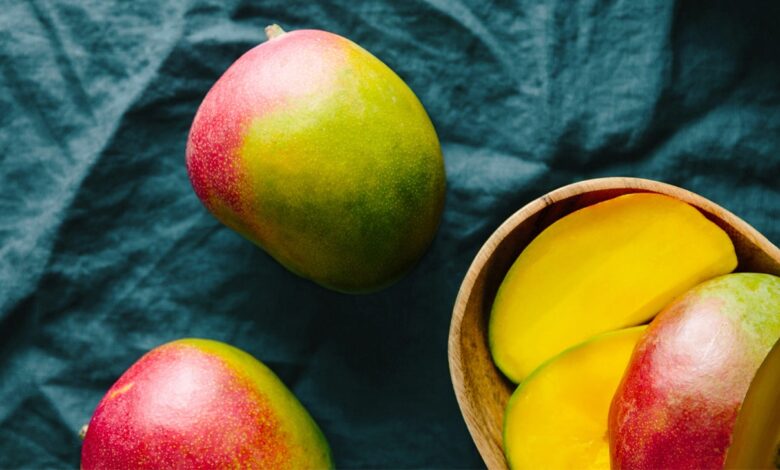
Introduction to Mango Nutrition
Mangoes, often called the “king of fruits,” are celebrated for their delicious taste, vibrant color, and rich nutrient profile. Understanding mango nutrition can help you make informed choices about including this fruit in your diet. Both fresh and dried mango offer essential vitamins, minerals, and antioxidants, but their nutritional content can differ significantly due to processing.
Overview of Mango Nutrition
Fresh mango is naturally low in calories, high in fiber, and packed with vitamins such as vitamin C, vitamin A, and several B vitamins. Dried mango, on the other hand, is more concentrated in sugars and calories, but still retains some of its nutritional value.
Fresh and dried mangoes differ in sugar, calories, and vitamins. Learn the complete mango nutrition to make the healthiest choice for your diet.
Why Understanding Mango Nutrition Matters
Knowing the nutritional differences between fresh and dried mango is crucial for:
- Managing calorie intake
- Controlling sugar consumption
- Maximizing vitamin and mineral intake
By examining mango nutrition facts 100g and dried mango nutrition, you can enjoy mango in the healthiest way possible.
Fresh Mango Nutrition Facts (Per 100g)
Fresh mangoes are enjoyed worldwide for their sweet taste and juicy texture. Let’s break down their nutrient profile per 100g.
Calories, Carbs, and Sugar Content
| Nutrient | Amount per 100g | % Daily Value* |
|---|---|---|
| Calories | 60 kcal | 3% |
| Carbohydrates | 15 g | 5% |
| Sugar | 14 g | – |
| Fiber | 1.6 g | 6% |
| Protein | 0.8 g | 2% |
| Fat | 0.4 g | 1% |
*Daily values based on a 2,000-calorie diet.
Fresh mango nutrition is ideal for those looking to enjoy a sweet snack without excessive calories. The fiber content also supports digestion and satiety.
Vitamins and Minerals in 100g of Mango
Fresh mango is rich in essential vitamins and minerals:
- Vitamin C: 36.4 mg (41% DV)
- Vitamin A: 54 μg (6% DV)
- Folate: 43 μg (11% DV)
- Potassium: 168 mg (5% DV)
- Magnesium: 10 mg (3% DV)
These nutrients make mango a heart-healthy fruit and a natural immunity booster.
Health Benefits of Fresh Mango
- Promotes digestion due to high fiber content
- Supports immune health with vitamin C
- Improves skin health through vitamin A
- Offers antioxidant protection against free radicals
Fresh mango is low in fat and calories, making it an excellent choice for weight management and overall health.
Dried Mango Nutrition Facts
Dried mango is made by removing water from fresh mangoes, which concentrates its nutrients but also significantly increases sugar and calories.
Calories, Carbs, and Sugar in Dried Mango
| Nutrient | Amount per 100g | % Daily Value* |
|---|---|---|
| Calories | 319 kcal | 16% |
| Carbohydrates | 79 g | 26% |
| Sugar | 66 g | – |
| Fiber | 2.7 g | 10% |
| Protein | 2.5 g | 5% |
| Fat | 0.6 g | 1% |
Dried mango nutrition shows it is calorie-dense due to natural sugars. Portion control is key to enjoying it without overloading on calories.
Vitamins and Minerals in Dried Mango
Despite drying, some vitamins remain:
- Vitamin C: 7.1 mg (8% DV)
- Vitamin A: 54 μg (6% DV)
- Folate: 21 μg (5% DV)
- Potassium: 1,070 mg (23% DV)
- Magnesium: 46 mg (11% DV)
Dried mango retains potassium and magnesium, making it beneficial for heart and muscle health.
Health Considerations When Eating Dried Mango
- High sugar content can spike blood sugar levels
- Overconsumption may contribute to weight gain
- Opt for unsweetened dried mango for better nutrition
Dried mango nutrition is calorie-dense and high in sugar. Learn how it compares to fresh mango nutrition facts 100g for a healthier choice.
Dried Mango vs Fresh Mango: Key Differences
When comparing dried mango vs fresh mango, it’s important to note the differences in calories, sugar, and nutrient concentration.
Nutritional Comparison Table
| Nutrient | Fresh Mango (100g) | Dried Mango (100g) | Difference |
|---|---|---|---|
| Calories | 60 kcal | 319 kcal | +259 kcal |
| Carbohydrates | 15 g | 79 g | +64 g |
| Sugar | 14 g | 66 g | +52 g |
| Fiber | 1.6 g | 2.7 g | +1.1 g |
| Protein | 0.8 g | 2.5 g | +1.7 g |
| Fat | 0.4 g | 0.6 g | +0.2 g |
| Vitamin C | 36.4 mg | 7.1 mg | -29.3 mg |
| Potassium | 168 mg | 1,070 mg | +902 mg |
Sugar and Calorie Differences
Dried mango contains over 4 times more sugar and calories than fresh mango per 100g. While it retains potassium and magnesium, the vitamin C content decreases significantly.
When to Choose Fresh vs Dried Mango
-
Choose fresh mango for:
- Weight management
- Lower sugar intake
- Higher vitamin C consumption
-
Choose dried mango for:
- Potassium boost
- Convenient snack option
- Occasional energy-rich snack
Fresh mango vs dried mango nutrition shows differences in sugar, calories, and vitamin content. Choose wisely for health benefits and energy needs.
Conclusion
Both fresh and dried mango provide unique benefits. Fresh mango offers lower calories, higher vitamin C, and is perfect for everyday consumption. Dried mango, while calorie-dense and high in sugar, offers convenience and potassium-rich nutrition. Understanding mango nutrition facts 100g and dried mango nutrition can help you incorporate them wisely into your diet.
Summary
- Fresh mango: low-calorie, high vitamin C, fiber-rich
- Dried mango: high-calorie, concentrated sugar, potassium-rich
- Portion control is key for dried mango consumption
-
Both forms support heart, skin, and digestive health
Mangoes, in any form, are a delicious way to enjoy essential nutrients. Making informed choices based on mango nutrition and dried mango nutrition ensures you reap maximum health benefits.
Read More:- Strawberry Nutrition Facts: Comparing Fresh Berries vs Oikos Triple Zero