Introduction
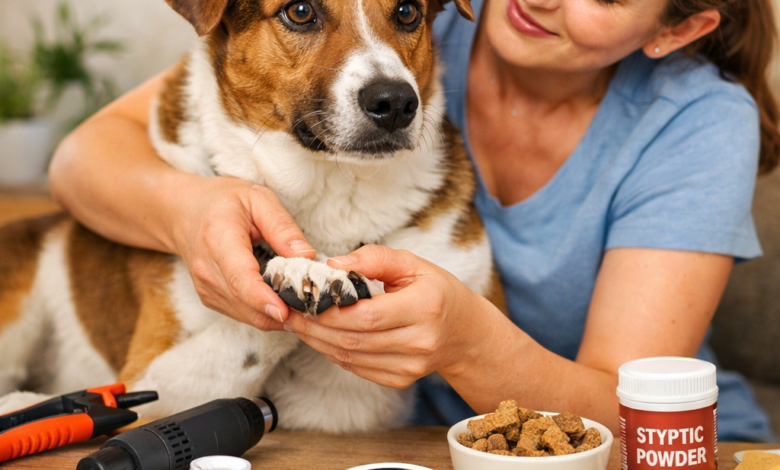
Trimming a dog’s nails can feel intimidating, especially for beginners or owners with anxious pets. Many dogs dislike having their paws handled, and owners often fear cutting too much and causing pain. Learning how to cut dog nails properly can make the experience calm, safe, and even routine over time.
Long nails are not just a cosmetic issue. Overgrown nails can affect posture, cause joint stress, lead to painful breaks, and even change how a dog walks. With the right tools, preparation, and patience, nail trimming can become a stress-free part of your dog’s grooming routine.
This guide walks you through everything you need to know—from understanding nail anatomy to handling nervous dogs—so you can trim with confidence.
Understanding Dog Nail Anatomy Before You Start
Understanding nail structure helps prevent pain and injury. Knowing where the quick is located allows beginners to trim safely and confidently.
A dog’s nail consists of two main parts: the hard outer shell and the quick. The quick contains blood vessels and nerves, and cutting into it causes pain and bleeding. Light-colored nails make the quick easier to see, while dark nails require extra caution.
Dogs that walk mostly on soft surfaces often have longer nails than those who walk on pavement. Nail length varies by breed, age, and activity level. Ideally, nails should not touch the ground when a dog is standing normally.
Recognizing healthy nail length and structure is the foundation of learning how to cut dog nails without stress or injury.
Tools You Need to Cut Dog Nails Safely
Using the right tools improves accuracy and reduces stress. Proper equipment helps beginners feel confident while keeping dogs calm and comfortable.
Before you begin, gather all tools so you don’t need to stop mid-trim. Being prepared reduces anxiety for both you and your dog.
Common Nail Trimming Tools
| Tool Type | Best For | Notes |
|---|---|---|
| Scissor-style clippers | Medium to large dogs | Strong grip and control |
| Guillotine clippers | Small to medium dogs | Requires blade replacement |
| Nail grinder | Nervous dogs | Gradual trimming, less pressure |
| Styptic powder | Emergencies | Stops bleeding quickly |
Choose tools based on your dog’s size and comfort level. Sharp tools are essential—dull blades can crush nails and cause discomfort.
Preparing a Nervous Dog for Nail Trimming
Calm preparation reduces fear. Gradual exposure and positive reinforcement help nervous dogs associate nail trimming with safety and comfort.
Preparation is often more important than the trimming itself. Nervous dogs benefit from slow, positive exposure to nail care.
Start by touching your dog’s paws daily without trimming. Reward calm behavior with praise or treats. Let your dog sniff the tools so they become familiar objects rather than threats.
Choose a quiet space with good lighting. Trim nails when your dog is relaxed, such as after a walk or play session. Avoid trimming when your dog is overly excited or stressed.
Learning how to cut dog nails successfully begins with patience and trust-building.
Step-by-Step Guide on How to Cut Dog Nails
This section is the heart of the process. Follow these steps carefully to ensure safety and comfort.
- Hold your dog’s paw gently but securely.
- Identify the tip of the nail and locate the quick if visible.
- Trim a small portion at a 45-degree angle.
- Stop if your dog pulls away or shows stress.
- Reward your dog after each nail or session.
These steps help beginners build confidence while minimizing risk. Remember, trimming less is always safer than trimming too much.
Mastering how to cut dog nails takes practice, but consistency makes it easier each time.
How to Avoid Cutting the Quick
Cutting the quick is the most common fear among beginners. Fortunately, it is preventable with the right approach.
Trim small amounts rather than large chunks. For dark nails, look for a chalky white ring in the center of the nail—this indicates you are close to the quick. Stop trimming at this point.
If bleeding occurs, stay calm. Apply styptic powder or gentle pressure until bleeding stops. Dogs often react more to their owner’s panic than the injury itself.
Understanding this step is crucial when learning how to cut dog nails safely.
Nail Trimming Frequency and Dog Size Guide
How often you trim depends on your dog’s lifestyle and nail growth rate.
| Dog Size | Nail Trim Frequency | Notes |
|---|---|---|
| Small dogs | Every 2–3 weeks | Nails grow faster indoors |
| Medium dogs | Every 3–4 weeks | Activity affects growth |
| Large dogs | Every 4–6 weeks | Pavement helps wear nails |
Regular trimming shortens the quick over time, making future trims easier and safer.
Common Mistakes Beginners Should Avoid
Even well-intentioned owners make mistakes when first learning how to cut dog nails. Avoiding these common errors can save stress and discomfort.
- Cutting too much nail at once
- Using dull or incorrect tools
- Trimming when the dog is anxious or energetic
- Skipping rewards after trimming
- Forcing the dog to continue when stressed
These five points alone can dramatically improve your nail-trimming success.
What to Do If Your Dog Resists or Panics
Some dogs strongly resist nail trimming due to past experiences or sensitivity. If your dog panics, stop immediately. Forcing the process can worsen fear and make future attempts harder.
Break sessions into shorter intervals. You may only trim one or two nails per day at first. Over time, your dog will build tolerance.
Soft verbal reassurance and calm movements help dogs feel safe. Your emotional state directly influences your dog’s response.
Patience is essential when practicing how to cut dog nails with nervous dogs.
When to Use a Nail Grinder Instead of Clippers
Nail grinders are excellent alternatives for dogs that dislike clippers. They remove nail material gradually and reduce the risk of hitting the quick.
Grinders are especially helpful for dogs with thick or dark nails. However, some dogs are sensitive to the sound or vibration, so introduce the tool slowly.
Whether using clippers or grinders, consistency matters more than the tool itself when mastering how to cut dog nails.
Health Benefits of Regular Nail Trimming
Proper nail care supports overall health. Long nails can alter posture, strain joints, and cause pain while walking.
Short, well-maintained nails help dogs maintain proper balance and reduce the risk of nail injuries. Regular trimming also allows you to inspect paws for cuts, swelling, or infections.
Knowing how to cut dog nails correctly contributes to your dog’s long-term comfort and mobility.
When to Seek Professional Help
Some situations require professional assistance. Dogs with severe anxiety, aggressive behavior, or medical conditions may benefit from a groomer or veterinarian.
Professionals can also demonstrate proper technique, helping beginners learn by observation. There is no failure in asking for help—it prioritizes your dog’s well-being.
Conclusion: Building Confidence Over Time
Learning how to cut dog nails is a skill that improves with patience and repetition. Mistakes may happen, but calm reactions and consistency build trust.
Start slow, reward generously, and focus on progress rather than perfection. With time, nail trimming can become a calm, routine task that strengthens the bond between you and your dog.
Read More:- How to Take Off Acrylic Nails Like a Pro (No Salon Visit Needed)