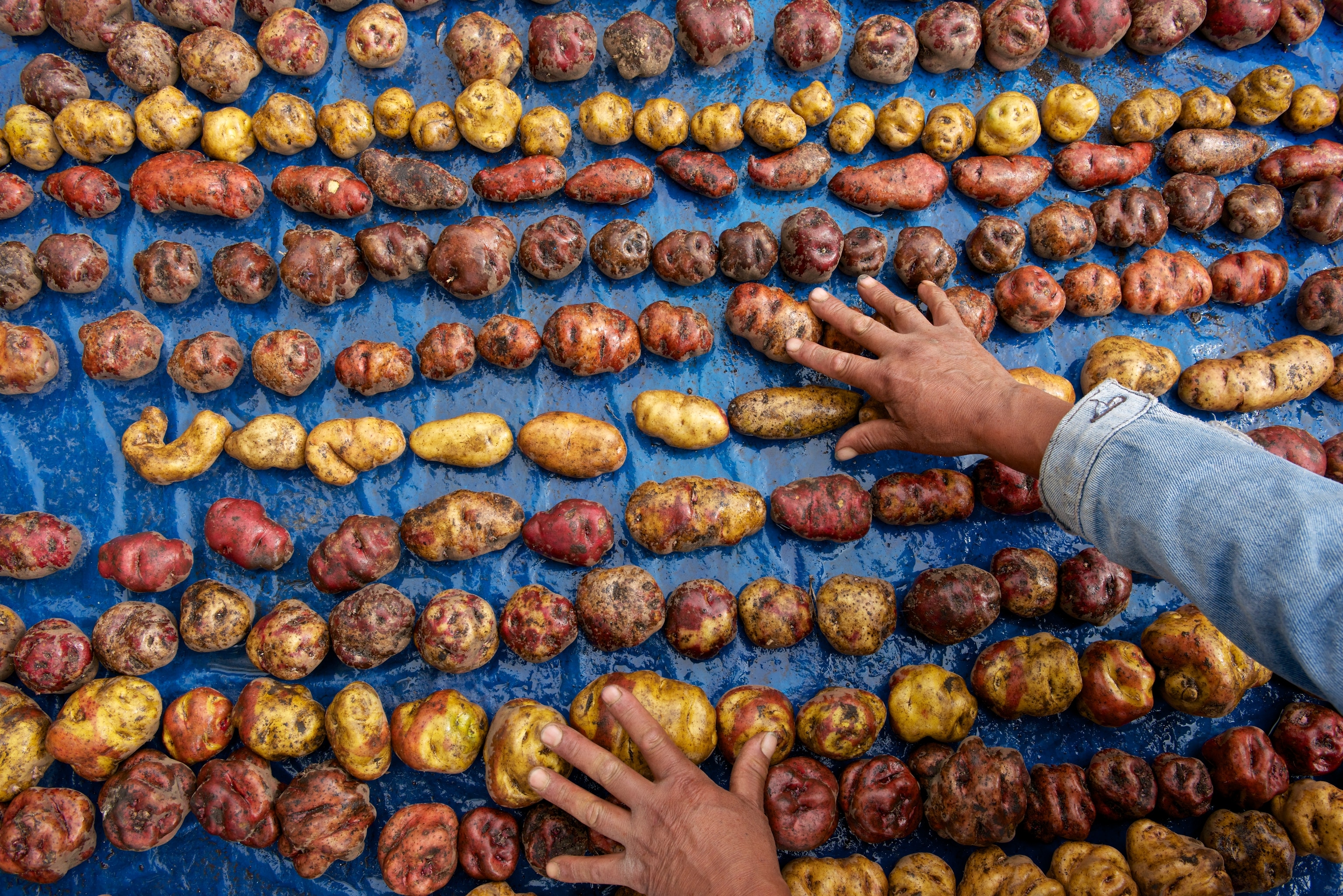
Few foods have traveled across borders and generations as effortlessly as the baked potato. What began as a simple cooking method has evolved into a globally recognized comfort food. Its journey from regional cooks to global Tables demonstrates both its usefulness and its capacity to accommodate various cultural customs and preferences. Across different cultures, oven baked potatoes have remained popular because they combine simple preparation with a comforting and adaptable meal experience.
Origins Rooted In Simplicity
The story of the baked potato begins with early farming communities that relied on basic cooking methods. One of the simplest methods of cooking without complex equipment was baking over open flames or hot ashes.
Potatoes, with their sturdy structure, were well-suited to this technique. They could be placed directly into heat and cooked evenly, making them a dependable food source. This simplicity allowed the method to spread naturally as people shared cooking practices across regions.
A Food That Traveled With Exploration
As trade routes expanded and exploration increased, potatoes began to move beyond their original growing regions. They were introduced to new parts of the world, where they quickly gained popularity due to their adaptability.
The baking method traveled alongside the ingredient itself. Since it required minimal equipment, it could be easily adopted in different environments. This helped establish the baked potato as a familiar preparation style across various cultures.
Adaptability To Local Ingredients
One of the key reasons the baked potato became a staple is its ability to pair with local ingredients. Each culture brought its own flavors and preferences, shaping how the dish was enjoyed.
In some places, it became a hearty meal with rich additions, while in others it remained simple and lightly seasoned. This flexibility allowed it to fit seamlessly into different culinary traditions without losing its identity.
A Practical Choice For Everyday Life
Across cultures, practicality often determines which foods become staples. The baked potato requires little preparation and can be cooked in a variety of settings, from traditional ovens to open flames.
It appealed to households with a variety of lifestyles since it could provide a tasty supper with little effort. Whether in rural areas or busy urban environments, it offered a reliable option that did not demand complex techniques.
A Bridge Between Traditional And Modern Cooking
As cooking methods evolved, the baked potato remained relevant by adapting to new technologies. Modern ovens made the process more controlled, while still preserving the essence of the original technique.
This ability to transition from traditional to modern kitchens helped maintain its popularity. It became a dish that connects past practices with present-day convenience, making it both nostalgic and practical.
Cultural Interpretations And Identity
Over time, the baked potato took on cultural significance in different regions. It was not just a food but a reflection of local habits and preferences.
In some cultures, it became associated with comfort and home cooking. In others, it was embraced as a versatile base for creative meals. These interpretations gave the dish a unique identity in each setting while still maintaining its universal appeal.
Accessibility Across Economic Levels
Another important factor in its global presence is accessibility. The baked potato is affordable and widely available, making it suitable for people from different economic backgrounds.
This inclusivity allowed it to become a shared food experience across societies. It is equally at home in simple meals and more elaborate settings, bridging gaps between different lifestyles.
A Symbol Of Comfort And Familiarity
Across cultures, certain foods become symbols of comfort, and the baked potato is one of them. Its warm, satisfying nature makes it a go-to option during colder seasons or times when simple, nourishing meals are preferred.
This emotional connection has helped it maintain its place in kitchens around the world. It is a dish that people return to not just for sustenance but for a sense of familiarity.
Conclusion
The journey of the baked potato from a basic cooking method to a global staple is a reflection of its adaptability, simplicity, and universal appeal. Its ability to fit into different cultures, combine with local ingredients, and evolve with changing times has secured its place in everyday cooking. It is more than simply a meal; it symbolizes how food can unite people from different places while staying faithful to its modest beginnings.
