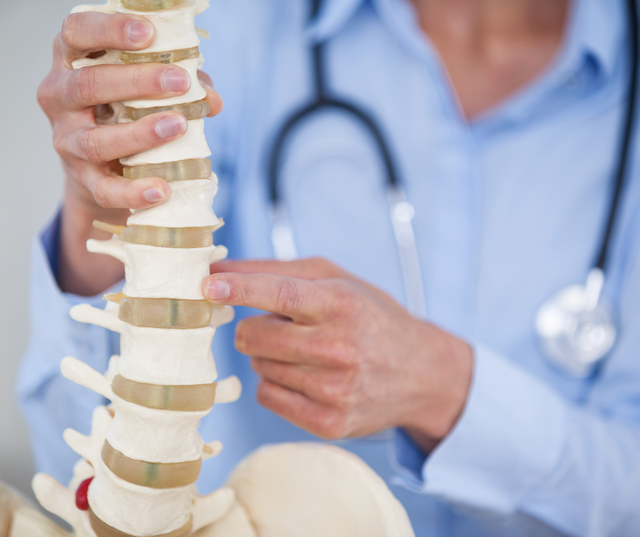
Bone and joint problems can affect people of all ages, making everyday activities more difficult and reducing overall quality of life. Getting a correct diagnosis is the first step to effective treatment, whether the problem is caused by an injury, arthritis, overuse, or a long-term disease. This is where orthopedic doctors play an important role. Their expertise allows them to identify the source of pain, determine the severity of the condition, and recommend the most appropriate treatment plan.
The Patient’s Medical History
A thorough diagnosis begins with a detailed discussion about the patient’s medical history. During the consultation, the physician asks questions about when the pain started, what activities make it worse, and whether there has been a previous injury or surgery. Lifestyle, occupation, sports participation, and family history of bone or joint disorders may also be discussed.
This information helps narrow down the possible reasons and gives important background information before any physical exam or imaging studies are done.
Performing a Physical Examination
A physical examination is one of the most valuable diagnostic tools. The doctor carefully evaluates the affected area by observing movement, checking for swelling, tenderness, deformity, or instability, and comparing the injured side with the unaffected side.
Range of motion tests reveal how well a joint functions, while strength assessments help determine whether muscles, tendons, or ligaments have been affected. The physician may also perform specialized orthopedic tests that are designed to identify specific conditions involving the knees, shoulders, hips, spine, or other joints.
Using Diagnostic Imaging
Medical imaging provides a clearer view of what is happening beneath the surface. Different imaging techniques serve different purposes depending on the suspected condition.
X-rays are commonly used to detect fractures, arthritis, bone deformities, and joint alignment issues. If soft tissue damage is suspected, magnetic resonance imaging, commonly known as MRI, offers detailed images of muscles, ligaments, tendons, and cartilage.
Computed tomography scans provide detailed cross-sectional images of bones and are especially useful for complex fractures. In some situations, ultrasound imaging helps evaluate tendons, muscles, and fluid around joints while allowing real-time assessment during movement.
Ordering Laboratory Tests When Needed
Not every bone or joint condition is caused by mechanical problems. Certain diseases, including infections, autoimmune disorders, or metabolic conditions, may require laboratory testing for accurate diagnosis.
Blood tests can identify signs of inflammation, infection, vitamin deficiencies, or disorders such as rheumatoid arthritis. These results are combined with clinical findings and imaging studies to develop a complete understanding of the patient’s condition.
Identifying Common Bone and Joint Conditions
Many orthopedic conditions present with similar symptoms, making careful evaluation essential. Arthritis is one of the most common diagnoses, often causing joint stiffness, swelling, and chronic pain.
Fractures may range from simple breaks to complex injuries requiring surgical treatment. Tendon injuries, ligament tears, bursitis, and cartilage damage are also frequently diagnosed after sports injuries or repetitive strain.
Back pain, herniated discs, shoulder impingement, rotator cuff injuries, and meniscus tears are additional examples of conditions that require detailed assessment before treatment decisions can be made.
Creating an Individualized Treatment Plan
After completing the evaluation, the physician develops a treatment plan based on the diagnosis, the patient’s overall health, activity level, and personal goals.
Many conditions improve with conservative treatments such as physical therapy, medications, activity modification, braces, or injections. When non-surgical treatments no longer provide relief, surgical procedures may be recommended to restore function and reduce pain.
The goal is not simply to address symptoms but also to improve long-term mobility and help prevent future complications.
The Importance of Early Evaluation
Ignoring persistent pain or limited movement often allows problems to worsen over time. Seeking medical attention early increases the likelihood of identifying conditions before they become more severe.
Experienced orthopedic doctors understand that successful treatment begins with an accurate diagnosis. They are able to accurately diagnose a wide range of bone and joint problems by using a patient’s medical history, physical exams, advanced imaging, and lab tests when needed.
Early diagnosis gives patients more treatment options and improves the chances of returning to normal activities with greater comfort, mobility, and confidence. Whether the issue involves a recent injury or a long-standing condition, a comprehensive evaluation provides the foundation for effective care and better long-term joint health.