If you’ve ever found yourself people-watching at an airport or scrolling through Instagram, you’ve likely experienced a strange phenomenon. You see a sleek leather handbag with a familiar “C” lock closure, and you immediately place its owner in a certain tax bracket. Alternatively, you might see a high-performance athlete wearing a hat with a horse-and-carriage logo, and you think of legacy and luxury.
It is fascinating how two completely different brands can share the same first name but live in entirely different worlds. One is an American sportswear giant with roots in the Ivy League, and the other is a heritage luxury house from New York. This distinction is the perfect starting point to dive into what makes a Coach Brand Logo so powerful and why the Coach Brand Marketing Strategy differs so vastly between the two entities.
At zehnstudio.com, we spend a lot of time thinking about how brands carve out their identity. So, let’s unpack the stories behind the “Coach” name and see what they teach us about branding.
The Heritage of Leather: Stuart Vevers and the New York Cool
When we talk about the leather goods giant Coach (the one with the turnlock “C” and the carriage wheel), we are talking about a brand that has successfully navigated the treacherous waters of the fashion industry for over 80 years.
The Evolution of a Status Symbol
The Coach Brand Logo has undergone a significant facelift in the last decade. If you were a teenager in the early 2000s, you remember the “C” print—a canvas covered in repeating Cs. It was loud, it was proud, and it screamed “logo mania.”
However, under the creative direction of Stuart Vevers, the brand smartly pivoted. They realized that the new generation of luxury buyers wanted something different. They didn’t want to be a walking billboard; they wanted subtlety and craftsmanship. Today, the Coach Brand Logo is often understated. You might see a tiny leather tag, a discreet turnlock, or a signature rivet. This shift from overt branding to “stealth wealth” (or at least “accessible stealth”) was a masterstroke. It allowed them to keep their heritage while appealing to Gen Z shoppers who value authenticity over flashiness.
The Power of Nostalgic Marketing
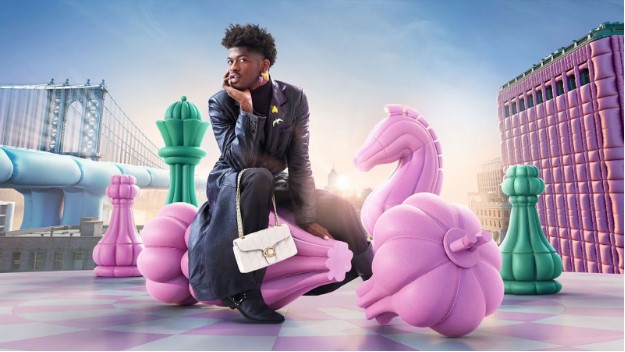
What is the Coach Brand Marketing Strategy in 2026? It’s a heavy dose of nostalgia mixed with inclusivity. Coach has mastered the art of the “Retro” campaign. They aren’t selling a bag; they are selling a feeling of American nostalgia—think worn-in leather jackets, wildflower meadows, and the spirit of Route 66.
They also leaned heavily into the “New York” narrative. By partnering with celebrities like Jennifer Lopez and Megan Thee Stallion, they bridge the gap between old-school Hollywood glamour and modern pop culture. It’s a strategy that says, “We respect our history, but we are dancing to today’s beat.”
The American Icon: Sportswear and Street Cred
Now, let’s cross the street to the other Coach. The one with the horse. The brand is officially known as “Coach” but is legally differentiated in the sports world as the original equipment manufacturer for the NBA, NHL, and MLB.
The Logo That Commands Authority
The Coach Brand Logo in the sports world is less about a monogram and more about an insignia. It is the mark of a champion. When you see a New York Yankees cap with the iconic interlocking “NY,” you aren’t just looking at a logo; you are looking at a symbol of winning tradition.
In this context, the “coach” isn’t a leather goods company; it is the name on the jersey of the guy pacing the sidelines. For decades, the brand has been synonymous with athletic performance and fandom. Their logo placement is strategic; it’s on the chests of the world’s greatest athletes, which is arguably the most valuable advertising real estate on earth.
Marketing Through Moments
The Coach Brand Marketing Strategy here is entirely different. It’s not about seasonal fashion cycles; it’s about sports seasons. Their marketing is driven by moments: the Draft, the Playoffs, the Finals.
They leverage the emotional highs of sports fandom. When a player hits a game-winning shot wearing their gear, that moment is etched into the cultural memory. They also master the “off-court” style. By dressing coaches and players in sharp sideline gear, they have created a niche in the “athleisure” market that feels professional rather than lazy. It’s a strategy that relies on heritage, loyalty, and the raw emotion of competition.
What Small Businesses Can Learn from the Coaches
At zehnstudio.com, we see a common thread in these two giants that applies to any business, whether you are selling handbags, software, or services.
1. Your Logo is a Handshake
Whether it is a horse-drawn carriage or a baseball bat, your logo is the first physical touchpoint a customer has with you. The evolution of the Coach Brand Logo (in fashion) teaches us that logos must evolve with the times. If your branding feels stuck in 2005, your audience will assume your product is too. A logo refresh isn’t about abandoning your roots; it’s about polishing your image for the current mirror.
2. Know Your Lane
The two Coaches coexist peacefully because they operate in entirely different spheres. Your Coach Brand Marketing Strategy should define who you are and who you aren’t. Coach (the fashion house) doesn’t try to sell hockey sticks, and Coach (the sportswear brand) doesn’t try to sell satchels. They stick to their core competency. When defining your strategy, ask yourself: What is the one thing we want to own in the mind of the customer?
3. Storytelling Over Selling
Both companies are masters of storytelling. One tells a story of American craftsmanship and personal style. The other tells a story of athletic glory and team spirit. They rarely lead with “Buy this because it’s 20% off.” They lead with identity. “Buy this because this is who you are.” That is the secret sauce of any great Coach Brand Marketing Strategy—making the customer feel like they are buying into a tribe, not just a transaction.
It is a strange quirk of the English language that the word for a person who guides a team is also the name of two of the most recognizable brands in the world. But it’s a perfect metaphor. A great brand guides its customers.
Whether you are drawn to the sophisticated leather of the fashion house or the championship legacy of the sportswear giant, you are responding to a brand that knows exactly what it stands for.
Building that kind of clarity for your own business is the goal. It requires looking at your Coach Brand Logo not just as a piece of art, but as a promise. And it requires looking at your Coach Brand Marketing Strategy not as a to-do list, but as a conversation with the people you want to guide.
If you are ready to define your visual identity and craft a strategy that stands out in a crowded market, we are here to help you draw the map.