
Good health is one of the most valuable assets a person can have. In today’s fast-paced world, maintaining physical and mental well-being has become increasingly important. Busy schedules, unhealthy eating habits, lack of physical activity, and stress can negatively affect overall health. Fortunately, adopting a few simple lifestyle changes can make a significant difference.
Many people search for health tips to learn practical ways to stay fit, prevent illness, and improve their quality of life. Health is not just the absence of disease; it is a state of complete physical, mental, and emotional well-being. When we take care of our bodies and minds, we enjoy greater energy, better productivity, and a more positive outlook on life.
This comprehensive guide explores essential strategies for maintaining good health. From nutrition and exercise to sleep and stress management, these proven recommendations can help people of all ages achieve a healthier lifestyle.
Why Good Health Matters
Health plays a critical role in every aspect of life. A healthy individual is more capable of performing daily tasks, achieving personal goals, and enjoying meaningful relationships. Good health improves concentration, increases productivity, and contributes to overall happiness.
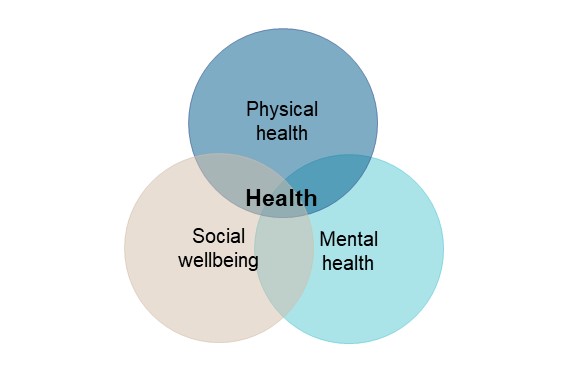
Poor health, on the other hand, can lead to fatigue, reduced performance, and an increased risk of chronic diseases. Conditions such as obesity, diabetes, heart disease, and high blood pressure are becoming more common due to unhealthy lifestyles. This makes it essential to prioritize wellness and adopt healthy habits.
Investing time in self-care and preventive measures can significantly reduce the likelihood of future health problems. Following reliable health tips can help individuals make informed decisions about their lifestyle and well-being. The earlier healthy habits are developed, the greater the long-term benefits.
By focusing on nutrition, physical activity, and mental wellness, people can enjoy a higher quality of life and maintain independence as they age.
The Importance of a Balanced Diet
A balanced diet provides the body with the nutrients it needs to function efficiently. Proper nutrition supports growth, repair, immunity, and energy production. Every meal should ideally contain a combination of carbohydrates, proteins, healthy fats, vitamins, and minerals.
Fresh fruits and vegetables are excellent sources of vitamins, antioxidants, and fiber. Whole grains provide sustained energy, while lean proteins help build and repair tissues. Healthy fats from nuts, seeds, and fish support brain function and heart health.
Avoiding excessive sugar, processed foods, and unhealthy fats is equally important. These foods may contribute to weight gain and increase the risk of chronic diseases. Instead, focus on nutrient-dense foods that nourish the body and promote long-term wellness.
Developing healthy eating habits does not require extreme diets. Simple choices such as drinking more water, eating more vegetables, and reducing processed snacks can significantly improve overall health.
Foods to Include in Your Daily Diet
- Fresh fruits and vegetables
- Whole grains
- Lean proteins
- Low-fat dairy products
- Nuts and seeds
- Legumes and beans
- Plenty of water
Benefits of Regular Exercise
Physical activity is one of the most effective ways to improve health and prevent disease. Exercise strengthens muscles, improves cardiovascular health, and helps maintain a healthy weight. It also contributes to better mental well-being.
Health experts generally recommend at least 150 minutes of moderate-intensity exercise per week. Activities such as brisk walking, jogging, cycling, swimming, and dancing can provide substantial health benefits.
Regular exercise improves blood circulation, increases stamina, and supports joint mobility. It also helps regulate blood sugar levels and reduces the risk of conditions such as heart disease and type 2 diabetes.
Another major benefit of exercise is its positive impact on mental health. Physical activity stimulates the release of endorphins, often called “feel-good” hormones, which help reduce stress and improve mood. Incorporating exercise into a daily routine is one of the most effective health tips for achieving long-term wellness.
Getting Enough Sleep
Sleep is essential for physical recovery, mental performance, and emotional stability. During sleep, the body repairs tissues, strengthens the immune system, and processes information collected throughout the day.
Adults typically need seven to nine hours of quality sleep each night. Inadequate sleep can result in fatigue, poor concentration, weakened immunity, and increased stress levels. Over time, chronic sleep deprivation may contribute to serious health issues.
Creating a consistent sleep schedule can improve sleep quality. Going to bed and waking up at the same time every day helps regulate the body’s internal clock. Limiting screen time before bed and creating a comfortable sleep environment can also enhance rest.
Prioritizing sleep is one of the simplest yet most effective ways to support overall health and improve daily performance.
Taking Care of Mental Health
Mental health is just as important as physical health. Emotional well-being influences how people think, feel, and interact with others. Managing stress effectively can improve quality of life and prevent mental health challenges.

Modern lifestyles often expose individuals to significant levels of stress. Work pressure, financial concerns, and personal responsibilities can affect emotional balance. Therefore, adopting stress-management techniques is essential.
Mindfulness practices such as meditation, deep breathing exercises, and yoga can help calm the mind and improve focus. Spending time with family and friends, pursuing hobbies, and taking breaks from daily responsibilities also contribute to better mental health.
Seeking professional support when needed is a sign of strength, not weakness. Early intervention can help address emotional difficulties before they become more serious.
Simple Ways to Reduce Stress
- Practice meditation daily
- Take short walks outdoors
- Maintain social connections
- Listen to relaxing music
- Focus on positive thinking
- Engage in enjoyable hobbies
The Importance of Staying Hydrated
Water is vital for nearly every function in the body. It helps regulate temperature, transport nutrients, remove waste products, and maintain healthy skin. Even mild dehydration can affect concentration, energy levels, and physical performance.
Most adults should aim to drink adequate water throughout the day, although individual needs may vary based on activity level, climate, and health conditions. Consuming water-rich foods such as fruits and vegetables can also contribute to hydration.
Replacing sugary beverages with water is a simple way to reduce calorie intake and support overall health. Carrying a reusable water bottle can serve as a reminder to drink regularly.
Among the many valuable health tips, maintaining proper hydration is one of the easiest and most effective habits to adopt.
Healthy Lifestyle Habits for Long-Term Wellness
Good health is built on consistent habits rather than short-term efforts. Small daily actions can produce significant results over time. Establishing healthy routines creates a strong foundation for physical and mental well-being.
Simple habits such as eating meals on time, taking regular breaks from screens, practicing good hygiene, and maintaining an active lifestyle contribute to better health outcomes. Avoiding smoking and limiting alcohol consumption are equally important.
Consistency is key. People who develop sustainable healthy habits are more likely to experience lasting improvements in their health and quality of life. Following trusted health tips can help create a balanced and fulfilling lifestyle.
Daily Health Routine
| Activity | Recommended Time |
|---|---|
| Wake Up | 5:30–6:30 AM |
| Exercise | 30–45 Minutes |
| Healthy Breakfast | 7:00–8:00 AM |
| Hydration | Throughout the Day |
| Lunch | 12:00–1:00 PM |
| Evening Walk | 20–30 Minutes |
| Dinner | 7:00–8:00 PM |
| Sleep | 10:00–11:00 PM |
Boosting Your Immune System Naturally
A strong immune system helps the body fight infections and recover more effectively from illness. Nutrition, sleep, exercise, and stress management all play important roles in supporting immune function.
Foods rich in vitamin C, vitamin D, zinc, and antioxidants can strengthen the body’s natural defenses. Citrus fruits, leafy greens, nuts, seeds, and fish are excellent choices for immune support.
Regular physical activity enhances circulation, allowing immune cells to move efficiently throughout the body. Adequate sleep also contributes to optimal immune performance.
Reducing chronic stress is another important factor. High stress levels can weaken immune responses and make the body more vulnerable to illness. Combining these strategies can significantly improve overall health and resilience.
Health Tips for Children and Older Adults
Different age groups have unique health needs. Children require proper nutrition, physical activity, and adequate sleep to support growth and development. Encouraging outdoor play and limiting excessive screen time can help children stay healthy and active.
Older adults benefit from regular exercise, balanced nutrition, and routine health checkups. Activities such as walking, stretching, and light strength training can improve mobility and reduce the risk of falls.
Social engagement is equally important for older adults. Staying connected with family, friends, and community groups can enhance emotional well-being and reduce feelings of isolation.
By addressing age-specific needs, families can promote better health and improve quality of life for all generations.
Conclusion
Achieving good health does not require complicated strategies or expensive programs. Instead, it involves making consistent, positive choices every day. Eating a balanced diet, exercising regularly, getting enough sleep, managing stress, and staying hydrated are all essential components of a healthy lifestyle.
Read more: Diet Plan for Weight Loss: Your Complete Guide to Healthy Living