
Losing weight is one of the most common health goals worldwide, but achieving lasting results requires more than simply eating less. A well-balanced diet plan for weight loss focuses on nourishing the body while creating a calorie deficit that supports gradual and sustainable fat loss. Many people struggle because they follow restrictive diets that are difficult to maintain over time. The key to success lies in choosing nutritious foods, controlling portions, and developing healthy habits that can become part of everyday life.
A healthy eating strategy provides essential nutrients, improves energy levels, supports metabolism, and helps maintain muscle mass during weight loss. Instead of looking for quick fixes, individuals should focus on long-term lifestyle changes that encourage steady progress. When combined with regular physical activity, adequate sleep, and proper hydration, the right nutrition plan can produce impressive results. This comprehensive guide explores everything you need to know about creating an effective diet plan for weight loss, including meal suggestions, food choices, and practical tips for success.
Why Nutrition Matters for Weight Loss
Nutrition plays a crucial role in determining whether weight loss efforts succeed or fail. While exercise contributes to overall health and calorie expenditure, dietary choices often have a greater impact on body weight. Consuming more calories than the body uses leads to weight gain, while creating a moderate calorie deficit encourages fat loss.
The quality of food matters just as much as quantity. Nutrient-dense foods provide vitamins, minerals, protein, and fiber that support overall wellness and help control hunger. Processed foods high in sugar and unhealthy fats often contain excessive calories without providing lasting satisfaction.
A successful diet plan for weight loss should include a balance of proteins, healthy fats, complex carbohydrates, and fiber-rich foods. These nutrients work together to stabilize blood sugar levels, reduce cravings, and maintain energy throughout the day. Rather than eliminating entire food groups, a balanced approach ensures the body receives everything it needs to function optimally while promoting healthy weight management.
Understanding Calorie Deficit and Weight Loss
Weight loss occurs when the body burns more calories than it consumes. This state is known as a calorie deficit. A deficit of approximately 500 calories per day may result in a gradual loss of about one pound per week, though individual results can vary.

Creating a calorie deficit does not mean starving yourself. Extremely low-calorie diets often slow metabolism, increase hunger, and make long-term adherence difficult. Instead, reducing calorie intake moderately while increasing physical activity is generally more effective.
The body requires energy for essential functions such as breathing, circulation, digestion, and movement. By consuming slightly fewer calories than required, stored body fat is used as an energy source. The best diet plan for weight loss focuses on maintaining adequate nutrition while reducing excess calorie consumption. This balanced strategy helps preserve muscle mass, supports metabolism, and encourages sustainable progress.
Essential Components of a Healthy Weight Loss Diet
A successful nutrition strategy includes several important components that contribute to satiety, health, and weight management.
Protein
Protein supports muscle maintenance and helps control hunger. Good sources include:
- Lean poultry
- Fish
- Eggs
- Greek yogurt
- Cottage cheese
- Beans and lentils
- Tofu
Healthy Carbohydrates
Complex carbohydrates provide steady energy and fiber. Examples include:
- Brown rice
- Oats
- Whole wheat bread
- Quinoa
- Sweet potatoes
Healthy Fats
Healthy fats support hormone production and satisfaction after meals.
- Avocados
- Nuts
- Seeds
- Olive oil
- Fatty fish
Fiber
Fiber promotes fullness and supports digestive health.
- Fruits
- Vegetables
- Whole grains
- Legumes
Including these nutrients creates a balanced diet plan for weight loss that is easier to maintain over time.
Foods to Include and Limit
The foods chosen daily significantly influence weight loss outcomes. Prioritizing whole foods improves nutrition while helping control calorie intake.
Foods to Include
| Food Category | Examples | Benefits |
|---|---|---|
| Lean Protein | Chicken, fish, eggs | Supports muscle and satiety |
| Vegetables | Spinach, broccoli, carrots | Low calorie and nutrient rich |
| Fruits | Apples, berries, oranges | Natural sweetness and fiber |
| Whole Grains | Oats, quinoa, brown rice | Sustained energy |
| Healthy Fats | Nuts, seeds, olive oil | Supports overall health |
| Legumes | Lentils, beans, chickpeas | High fiber and protein |
Foods to Limit
- Sugary beverages
- Candy and sweets
- Deep-fried foods
- Refined grains
- Processed snacks
- Fast food meals
Limiting these items can significantly reduce unnecessary calorie intake while improving overall dietary quality.
Sample Daily Diet Plan for Weight Loss
Following a structured meal plan can help individuals stay consistent and avoid impulsive food choices.
Breakfast
A balanced breakfast may include oatmeal topped with berries and a serving of Greek yogurt. This combination provides protein, fiber, and long-lasting energy.
Mid-Morning Snack
An apple paired with a handful of almonds offers healthy fats and fiber to keep hunger under control.
Lunch
Grilled chicken breast served with mixed vegetables and brown rice creates a satisfying and nutritious meal.
Afternoon Snack
Carrot sticks with hummus provide vitamins, minerals, and plant-based protein.
Dinner
Baked fish with steamed vegetables and sweet potato delivers essential nutrients while remaining relatively low in calories.
Evening Option
If needed, herbal tea or a small serving of fruit can satisfy cravings without adding excessive calories. This type of diet plan for weight loss provides balanced nutrition throughout the day while supporting calorie control.
Meal Preparation Strategies for Success
Meal preparation can significantly improve consistency and reduce reliance on unhealthy convenience foods. Planning meals in advance helps maintain portion control and ensures nutritious options are always available.
Begin by selecting recipes for the week and creating a shopping list. Purchase fresh produce, lean proteins, and whole grains. Prepare ingredients in batches, such as cooking chicken, washing vegetables, and portioning snacks.
Using containers to organize meals saves time and reduces decision fatigue during busy days. Having healthy meals ready makes it easier to stay committed to a diet plan for weight loss even when schedules become hectic.
Meal preparation also supports budget management by reducing food waste and minimizing restaurant spending. Over time, this habit can become an important part of a healthy lifestyle.
The Role of Hydration in Weight Management
Water is often overlooked in discussions about weight loss, yet it plays a critical role in overall health. Proper hydration supports digestion, metabolism, and physical performance. Sometimes thirst can be mistaken for hunger, leading people to consume unnecessary calories.
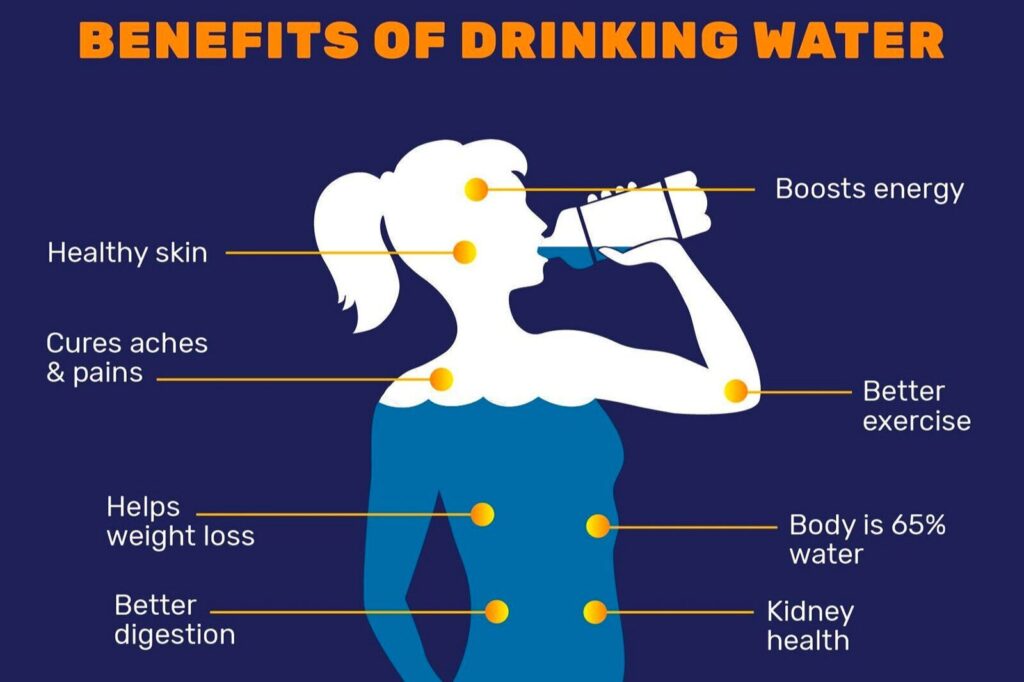
Drinking water before meals may help promote fullness and reduce calorie intake. Replacing sugary beverages with water significantly lowers daily calorie consumption while supporting hydration needs.
Most adults benefit from drinking several glasses of water throughout the day, although requirements vary based on activity levels and environmental conditions. Including adequate hydration in a diet plan for weight loss enhances overall effectiveness and supports healthy bodily functions.
Common Weight Loss Mistakes to Avoid
Many people unintentionally slow their progress by making common mistakes. Understanding these pitfalls can improve long-term success.
Skipping Meals
Skipping meals often leads to excessive hunger and overeating later in the day.
Relying on Fad Diets
Extreme diets may produce short-term results but are difficult to maintain and often lead to weight regain.
Ignoring Portion Sizes
Even healthy foods can contribute to weight gain if consumed in excessive quantities.
Not Getting Enough Protein
Insufficient protein may increase hunger and reduce muscle preservation during weight loss.
Drinking Calories
Sugary drinks, specialty coffees, and alcoholic beverages can add significant calories without promoting fullness.
Avoiding these mistakes strengthens the effectiveness of any diet plan for weight loss.
Combining Diet and Exercise for Better Results
While nutrition remains the foundation of weight management, physical activity enhances results. Exercise increases calorie expenditure, improves cardiovascular health, and helps maintain lean muscle mass.
A balanced fitness routine may include:
- Walking
- Cycling
- Swimming
- Strength training
- Yoga
- Jogging
Strength training is particularly valuable because muscle tissue burns more calories than fat tissue, even at rest. Combining regular exercise with a healthy diet plan for weight loss creates a powerful strategy for achieving and maintaining a healthy body composition.
Consistency is more important than intensity. Sustainable habits practiced regularly produce better long-term outcomes than short bursts of extreme effort.
Maintaining Motivation During Your Weight Loss Journey
Motivation naturally fluctuates, making it important to develop habits that support long-term adherence. Setting realistic goals helps maintain focus and prevents disappointment. Instead of aiming for rapid weight loss, celebrate gradual progress and non-scale victories such as increased energy, improved fitness, or better sleep quality.
Tracking meals, exercise, and progress can provide valuable insights and reinforce positive behaviors. Surrounding yourself with supportive friends and family members also contributes to success.
Remember that setbacks are normal. One unhealthy meal does not erase weeks of progress. Returning to healthy habits promptly is what matters most. A sustainable diet plan for weight loss should fit comfortably into everyday life rather than feeling like a temporary restriction.
Conclusion
Achieving a healthier weight requires commitment, consistency, and a realistic approach to nutrition. A well-designed diet plan for weight loss emphasizes balanced meals, portion control, adequate protein, healthy fats, complex carbohydrates, and fiber-rich foods. Rather than focusing on extreme restrictions, successful weight management comes from creating sustainable habits that support overall health.
read more: Skincare Products: The Complete Guide to Healthy and Radiant Skin


