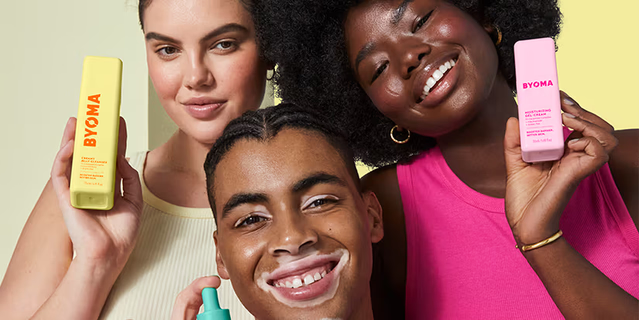
Healthy skin is often seen as a reflection of overall wellness and self-care. With countless options available in today’s beauty market, finding the right skincare products can feel overwhelming. From cleansers and moisturizers to serums and sunscreens, every product serves a unique purpose in maintaining skin health and appearance.
The skincare industry continues to evolve with innovative ingredients, advanced formulations, and targeted solutions for specific skin concerns. Whether you are dealing with dryness, acne, aging, sensitivity, or uneven skin tone, selecting appropriate skincare products can significantly improve your complexion and confidence.
A successful skincare routine does not necessarily require dozens of products. Instead, understanding your skin type and choosing effective products tailored to your needs is the key to achieving long-term results. This guide explores the essential aspects of skincare, helping you make informed decisions and create a routine that supports healthy, glowing skin.
Understanding Your Skin Type
Before purchasing any skincare items, it is important to identify your skin type. Different skin types have unique needs, and using unsuitable products may lead to irritation or poor results.
The five primary skin types include normal, oily, dry, combination, and sensitive skin. Normal skin generally maintains a balanced level of moisture without excessive oiliness or dryness. Oily skin produces more sebum, which can lead to enlarged pores and acne. Dry skin often feels tight and may experience flaking or rough patches. Combination skin displays both oily and dry areas, while sensitive skin is prone to redness and irritation.
Understanding your skin type allows you to choose skincare products that complement your natural skin condition. For example, oily skin often benefits from lightweight, oil-free formulas, while dry skin typically requires richer moisturizing ingredients. By matching products to your skin type, you can maximize effectiveness and minimize unwanted reactions.
Why Quality Skincare Matters
Investing in quality skincare can have lasting benefits for your skin’s appearance and overall health. The skin serves as the body’s largest organ and acts as a protective barrier against environmental stressors.

Daily exposure to pollution, ultraviolet rays, weather changes, and lifestyle factors can damage the skin over time. Proper skincare helps reinforce the skin barrier, maintain hydration, and reduce the appearance of common concerns such as fine lines, acne, and pigmentation.
High-quality formulations often contain carefully selected ingredients backed by research. While expensive products are not always better, choosing reputable formulations with beneficial ingredients can make a noticeable difference. Consistency is equally important. Even the most effective skincare products require regular use to deliver visible improvements.
A thoughtful skincare routine can help preserve youthful-looking skin, support natural repair processes, and enhance overall skin comfort and resilience.
Essential Categories of Skincare Products
Building a skincare routine starts with understanding the purpose of each product category.
Cleansers
Cleansers remove dirt, oil, makeup, and impurities from the skin’s surface. A good cleanser prepares the skin for subsequent products without stripping away natural moisture.
Moisturizers
Moisturizers help maintain hydration and strengthen the skin barrier. They are essential for all skin types, including oily skin.
Serums
Serums contain concentrated active ingredients designed to target specific concerns such as wrinkles, pigmentation, or dehydration.
Sunscreens
Sunscreen protects against harmful ultraviolet radiation and is one of the most important skincare essentials.
Exfoliants
Exfoliants remove dead skin cells, promoting smoother texture and brighter skin. They can be physical or chemical in nature.
Together, these skincare products form the foundation of an effective skincare routine.
Key Ingredients to Look For
Understanding ingredients helps consumers make smarter purchasing decisions. Different ingredients address specific skin concerns and contribute to healthier skin.
Hyaluronic Acid
Known for its impressive moisture-retaining ability, hyaluronic acid helps keep skin hydrated and plump.
Vitamin C
Vitamin C is a powerful antioxidant that supports brighter skin and helps reduce the appearance of dark spots.
Niacinamide
This versatile ingredient helps improve skin texture, minimize pores, and strengthen the skin barrier.
Retinol
Retinol promotes cell turnover and is commonly used to address signs of aging and uneven texture.
Ceramides
Ceramides support the skin barrier and help prevent moisture loss, making them especially beneficial for dry and sensitive skin.
Selecting skincare products containing these proven ingredients can help address a wide range of skin concerns effectively.
Choosing Products Based on Skin Concerns
Different skin concerns require different approaches. Choosing targeted solutions can help improve results while simplifying your routine.
For acne-prone skin, ingredients such as salicylic acid and niacinamide may help reduce breakouts and excess oil. Individuals concerned about aging often seek products containing retinol, peptides, and antioxidants. Dry skin typically benefits from hydrating ingredients such as hyaluronic acid and ceramides.
People dealing with hyperpigmentation may find vitamin C, niacinamide, and exfoliating acids useful for improving skin tone. Sensitive skin usually responds best to fragrance-free and soothing formulations designed to minimize irritation.
Instead of purchasing numerous products at once, introduce new items gradually. This approach allows you to monitor how your skin reacts and identify which products deliver the best results.
Daily Skincare Routine Guide
A consistent routine plays a major role in maintaining healthy skin.
Morning Routine
- Gentle cleanser
- Antioxidant serum
- Moisturizer
- Sunscreen
The morning routine focuses on protection against environmental stressors and maintaining hydration throughout the day.
Evening Routine
- Cleanser
- Treatment serum
- Moisturizer
- Specialized treatments if needed
Nighttime skincare supports the skin’s natural repair processes while you sleep. Using skincare products consistently in both morning and evening routines can lead to noticeable improvements over time.
Comparison of Essential Skincare Products
| Product Type | Primary Purpose | Best Time to Use | Suitable For |
|---|---|---|---|
| Cleanser | Removes dirt and oil | Morning and Night | All skin types |
| Moisturizer | Hydrates skin | Morning and Night | All skin types |
| Serum | Targets specific concerns | Morning or Night | Most skin types |
| Sunscreen | UV protection | Morning | All skin types |
| Exfoliant | Removes dead skin cells | 1-3 times weekly | Most skin types |
| Eye Cream | Targets under-eye concerns | Morning and Night | Adults |
This table highlights the fundamental roles of various products and how they fit into a balanced routine.
Common Mistakes to Avoid
Many people unintentionally sabotage their skincare efforts through common mistakes.
One frequent error is over-exfoliation, which can damage the skin barrier and cause irritation. Another mistake involves using too many active ingredients simultaneously, increasing the risk of redness and sensitivity.
Skipping sunscreen is perhaps the most significant skincare mistake. Even the best anti-aging or brightening products cannot fully counteract the effects of ongoing sun damage.
Frequent product switching can also prevent you from accurately assessing effectiveness. Most products require several weeks of consistent use before meaningful results become visible.
Additional mistakes include:
- Sleeping with makeup on
- Using products not suited for your skin type
- Ignoring patch testing
- Applying products in the wrong order
- Neglecting hydration
Avoiding these pitfalls can help maximize the benefits of your skincare routine.
Natural vs. Modern Skincare Solutions
The debate between natural and scientifically formulated skincare continues to grow. Both approaches offer advantages depending on individual preferences and skin needs.
Natural ingredients such as aloe vera, green tea, and oatmeal can provide soothing and nourishing benefits. Many consumers appreciate plant-based formulations for their simplicity and gentle nature.
Modern skincare, however, often incorporates clinically studied ingredients designed to target specific concerns with greater precision. Advanced formulations can deliver measurable results through carefully controlled concentrations and delivery systems.
Rather than viewing these approaches as opposites, many effective routines combine natural and scientific elements. The most important factor is choosing products that are safe, suitable for your skin, and supported by positive results.
How Lifestyle Affects Skin Health
Even the most advanced skincare routine cannot completely compensate for poor lifestyle habits. Healthy skin depends on both external care and internal wellness.

Adequate hydration helps maintain skin elasticity and comfort. A balanced diet rich in fruits, vegetables, healthy fats, and antioxidants supports skin function from within. Regular exercise improves circulation and may contribute to a healthier complexion.
Sleep also plays a critical role in skin repair and regeneration. Chronic stress can negatively affect the skin by triggering inflammation and worsening conditions such as acne and eczema.
When combined with effective skincare products, healthy lifestyle habits create a strong foundation for long-term skin health and beauty.
Future Trends in Skincare
The skincare industry continues to innovate with exciting advancements. Personalized skincare is becoming increasingly popular, allowing consumers to select products tailored to their unique skin characteristics.
Artificial intelligence and skin analysis technology are helping individuals better understand their skin needs. Sustainable packaging and environmentally conscious formulations are also gaining importance among consumers.
Another growing trend involves multifunctional products that simplify routines without compromising effectiveness. Innovations in biotechnology and ingredient development are expected to create even more targeted solutions in the future.
As technology and research continue to advance, skincare products are likely to become increasingly effective, personalized, and accessible.
Conclusion
Healthy skin is the result of consistent care, informed product selection, and supportive lifestyle habits. Understanding your skin type, identifying your specific concerns, and choosing suitable skincare products are essential steps toward achieving a radiant complexion.
Read more: Midline Dental Care: Your Complete Guide to Healthy Teeth and Gums