Oral health plays a crucial role in overall well-being, affecting everything from confidence and appearance to digestion and long-term health. Maintaining healthy teeth and gums requires consistent care, regular checkups, and access to professional dental services. This is where Midline Dental Care becomes an important concept for individuals and families seeking comprehensive dental solutions.
Modern dentistry has evolved significantly over the years, offering advanced preventive, restorative, and cosmetic treatments designed to improve oral health outcomes. Whether someone requires a routine cleaning, cavity treatment, orthodontic care, or smile enhancement, quality dental care helps prevent serious complications while ensuring long-lasting oral wellness.
Choosing the right dental provider is an important decision because dental health impacts everyday activities such as eating, speaking, and smiling. Patients today seek clinics that combine expertise, technology, comfort, and personalized treatment plans. Understanding what comprehensive dental services include can help patients make informed decisions and prioritize their oral health needs effectively.
This guide explores the essential aspects of Midline Dental Care, including preventive dentistry, common treatments, advanced technologies, patient benefits, and practical oral hygiene tips for maintaining a healthy smile throughout life.
Why Dental Care Matters
Dental care extends far beyond maintaining white teeth. Healthy gums and teeth contribute to overall physical health by reducing the risk of infections and systemic diseases. Poor oral hygiene can lead to tooth decay, gum disease, bad breath, and even more serious health conditions if left untreated.
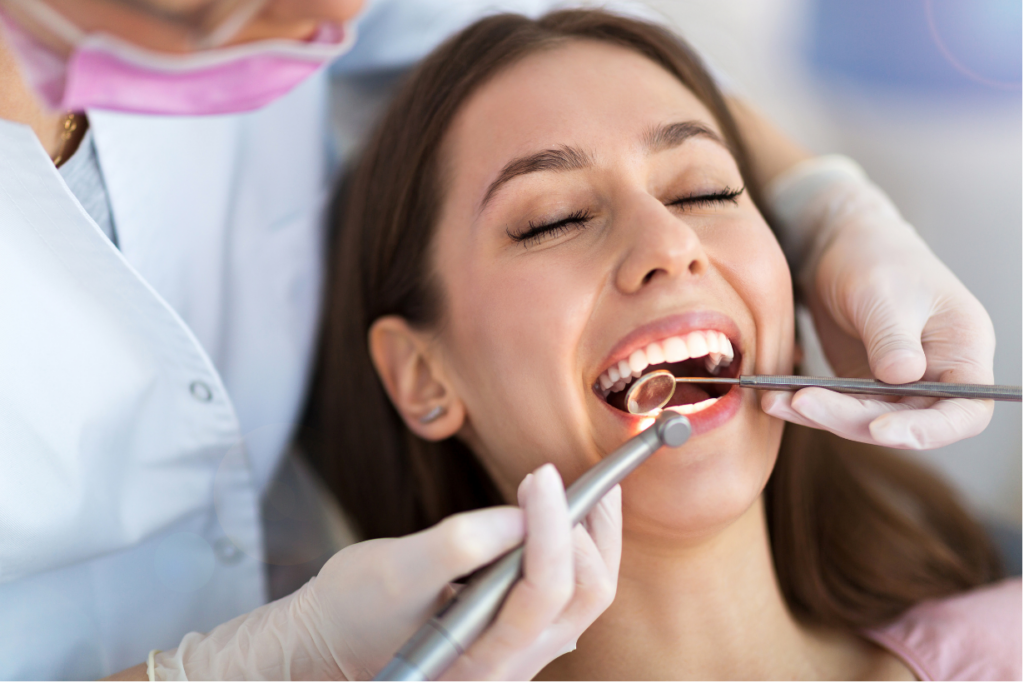
Regular dental visits provide opportunities to identify problems early before they become expensive and painful. Preventive treatments can stop cavities, gum disease, and enamel erosion from progressing. Additionally, professional cleanings remove plaque and tartar that cannot be eliminated through brushing alone.
Benefits of consistent dental care include:
- Prevention of tooth decay
- Early detection of oral diseases
- Improved gum health
- Better breath freshness
- Enhanced smile aesthetics
- Reduced treatment costs over time
- Improved overall health
A proactive approach through Midline Dental Care helps individuals maintain strong teeth and healthy gums while minimizing the risk of future complications.
Core Services Offered Through Midline Dental Care
Comprehensive dental care typically includes a wide range of services designed to address diverse oral health needs. These services are categorized into preventive, restorative, cosmetic, and specialized treatments.
Preventive Dentistry
Preventive dentistry focuses on maintaining oral health and avoiding future dental problems. Regular checkups and cleanings are essential components of preventive care.
Common preventive services include:
- Dental examinations
- Professional teeth cleaning
- Fluoride treatments
- Dental sealants
- Oral cancer screenings
- X-rays and diagnostic imaging
These procedures help identify potential concerns before they become serious and costly.
Restorative Dentistry
Restorative treatments repair damaged teeth and restore normal function. Patients experiencing cavities, fractures, or missing teeth can benefit from restorative procedures.
Examples include:
- Dental fillings
- Crowns
- Bridges
- Dentures
- Root canal therapy
- Dental implants
Through Midline Dental Care, restorative treatments aim to preserve natural teeth whenever possible while ensuring optimal comfort and function.
Benefits of Regular Dental Checkups
Many individuals only visit a dentist when experiencing pain or discomfort. However, routine dental examinations provide significant advantages beyond emergency treatment.
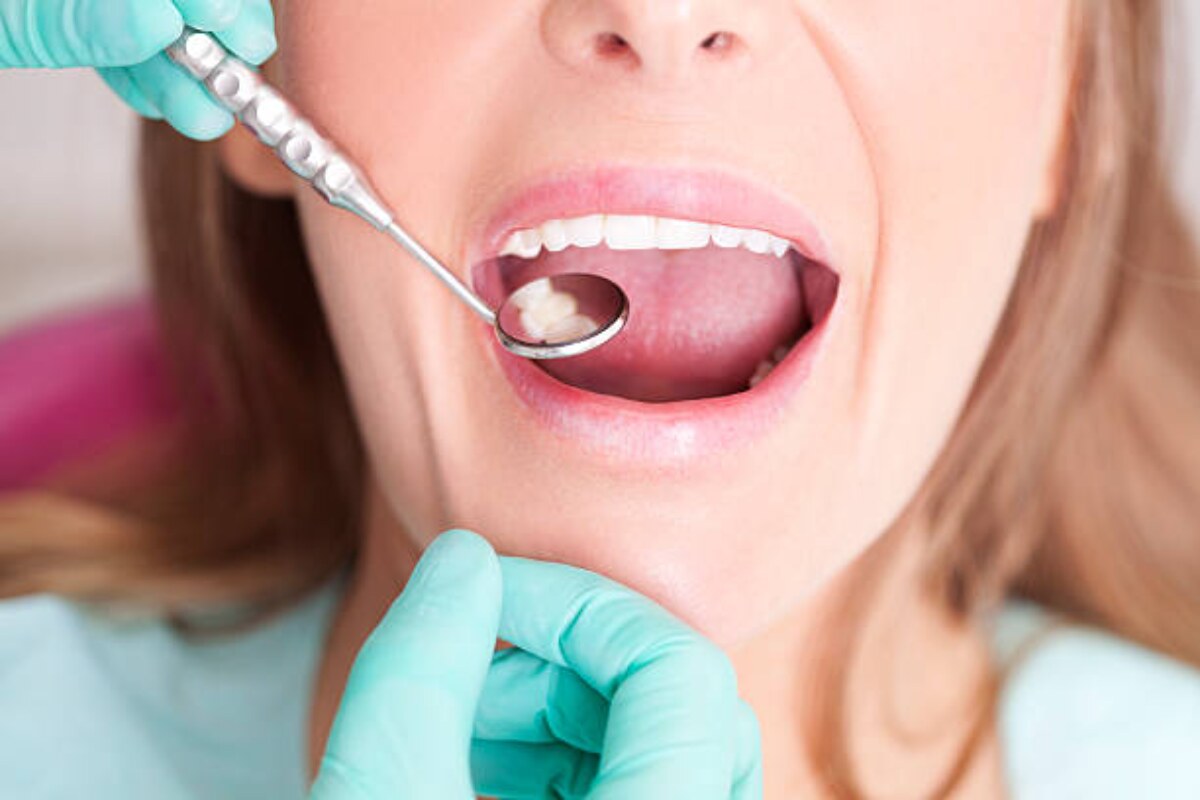
Regular visits allow dental professionals to monitor changes in oral health and detect issues at an early stage. Small cavities can be treated before requiring extensive restoration, while gum disease can be managed before causing tooth loss.
Patients who schedule consistent checkups often experience:
- Lower long-term dental expenses
- Reduced risk of dental emergencies
- Stronger teeth and healthier gums
- Improved oral hygiene habits
- Greater confidence in their smile
Professional evaluations also help identify lifestyle factors that may negatively affect oral health, allowing for personalized recommendations and preventive strategies.
Common Dental Treatments and Their Purpose
The following table outlines common dental treatments and their primary functions.
| Treatment | Purpose | Typical Benefit |
|---|---|---|
| Dental Cleaning | Remove plaque and tartar | Improved gum health |
| Fillings | Repair cavities | Restore tooth function |
| Crowns | Protect damaged teeth | Increased durability |
| Root Canal | Treat infected pulp | Save natural tooth |
| Dental Implants | Replace missing teeth | Long-term tooth replacement |
| Teeth Whitening | Improve tooth appearance | Brighter smile |
| Orthodontics | Correct alignment | Better bite and aesthetics |
Understanding these procedures helps patients feel more confident when discussing treatment options with their dental provider.
Advanced Technology in Modern Dentistry
Technology has transformed the dental industry by improving diagnosis, treatment precision, and patient comfort. Modern dental clinics often utilize advanced equipment to enhance outcomes and streamline procedures.
Digital Imaging
Digital X-rays provide detailed images while reducing radiation exposure compared to traditional methods. They allow dentists to identify cavities, bone loss, and other hidden concerns quickly.
Intraoral Cameras
These small cameras capture detailed images inside the mouth, helping patients visualize dental conditions and better understand recommended treatments.
Laser Dentistry
Dental lasers can be used for gum treatments, cavity removal, and soft tissue procedures with minimal discomfort and faster recovery times.
3D Imaging and Scanning
Three-dimensional imaging supports precise treatment planning for implants, orthodontics, and complex restorative procedures.
The integration of technology into Midline Dental Care improves accuracy, efficiency, and patient satisfaction while supporting better long-term outcomes.
Cosmetic Dentistry and Smile Enhancement
A beautiful smile can significantly impact confidence and self-esteem. Cosmetic dentistry focuses on improving the appearance of teeth, gums, and overall smile aesthetics.
Popular cosmetic procedures include:
- Professional teeth whitening
- Porcelain veneers
- Dental bonding
- Smile makeovers
- Gum contouring
- Clear aligners
Many patients choose cosmetic treatments to address discoloration, gaps, chipped teeth, or alignment issues. While cosmetic procedures primarily enhance appearance, they may also contribute to improved oral function and hygiene.
Personalized treatment planning ensures that cosmetic solutions complement the patient’s facial features and dental health goals.
The Importance of Pediatric Dental Care
Children require specialized dental attention to support healthy oral development. Early dental visits establish positive habits and help identify potential concerns before they become significant problems.
Pediatric dental care focuses on:
- Monitoring tooth development
- Preventing cavities
- Educating children about oral hygiene
- Providing fluoride treatments
- Applying protective sealants
- Addressing orthodontic concerns early
Parents play a critical role in encouraging proper brushing and flossing habits. Regular appointments through Midline Dental Care can help children develop a positive relationship with dental care and maintain healthy smiles throughout adulthood.
Oral Hygiene Tips for Everyday Health
Professional dental care is essential, but daily habits are equally important. Good oral hygiene practices help prevent cavities, gum disease, and other common dental issues.
Brush Properly
Brush at least twice daily using fluoride toothpaste. Use gentle circular motions and ensure all tooth surfaces are cleaned thoroughly.
Floss Every Day
Flossing removes food particles and plaque from areas that toothbrushes cannot reach effectively.
Limit Sugary Foods
Excessive sugar consumption increases the risk of tooth decay by feeding harmful bacteria in the mouth.
Stay Hydrated
Drinking water supports saliva production, which naturally helps protect teeth and wash away food debris.
Avoid Tobacco Products
Smoking and tobacco use significantly increase the risk of gum disease, tooth discoloration, and oral cancer.
Consistent oral hygiene practices complement professional dental services and contribute to lasting oral health.
Managing Dental Anxiety and Patient Comfort
Many individuals experience fear or anxiety about dental visits. Fortunately, modern dentistry emphasizes patient comfort and stress reduction.
Dental teams often use various approaches to create a positive experience, including:
- Clear communication
- Comfortable treatment environments
- Gentle treatment techniques
- Sedation options when appropriate
- Personalized patient care
Understanding procedures beforehand often helps reduce anxiety and build trust between patients and dental professionals. A supportive approach encourages regular attendance and better oral health outcomes.
Choosing the Right Dental Care Provider
Selecting a dental provider involves evaluating several important factors. Patients should seek professionals who offer comprehensive services, modern technology, and a patient-centered approach.
Key considerations include:
- Professional qualifications
- Experience and expertise
- Range of available treatments
- Technology and equipment
- Patient reviews and reputation
- Comfort and convenience
- Preventive care focus
A quality dental provider prioritizes education, transparency, and individualized treatment planning to meet each patient’s unique needs.
Future Trends in Dental Care
The future of dentistry continues to evolve with advancements in technology, materials, and patient care strategies. Emerging innovations are improving efficiency, comfort, and treatment outcomes.
Some developing trends include:
- Artificial intelligence in diagnostics
- Enhanced digital treatment planning
- Same-day restorations
- Improved implant technology
- Minimally invasive procedures
- Personalized preventive care programs
As dentistry advances, patients can expect more precise treatments, shorter recovery times, and improved overall experiences.
Conclusion
Maintaining excellent oral health requires a combination of professional dental services and consistent daily hygiene practices. Midline Dental Care represents a comprehensive approach that emphasizes prevention, early diagnosis, restorative treatment, cosmetic enhancement, and patient education. By prioritizing routine checkups and adopting healthy oral habits, individuals can protect their teeth and gums for years to come.
Read more: National Dental Care: A Complete Guide to Oral Health and Wellness