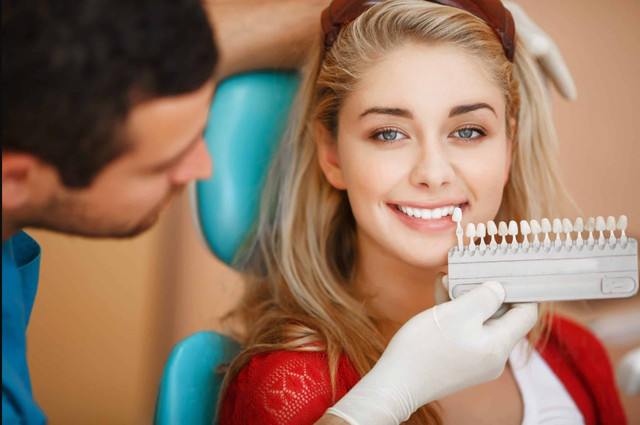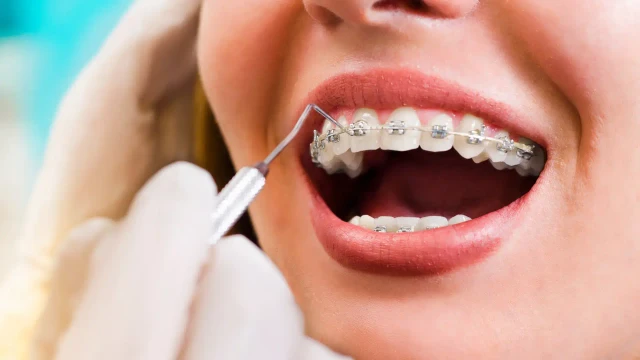
A beautiful smile can boost confidence and improve overall appearance. Orthodontic treatment has evolved significantly over the years, offering patients more discreet options than traditional metal braces. Among these options, ceramic braces have become increasingly popular because they combine effective teeth straightening with a more natural appearance. Made from clear or tooth-colored materials, they blend with your teeth, making them much less noticeable than metal braces.
Whether you’re a teenager or an adult looking for a subtle orthodontic solution, ceramic braces offer an excellent balance between aesthetics and functionality. They are designed to correct a variety of dental alignment issues, including crooked teeth, overcrowding, gaps, and bite problems. While they may require a bit more care than metal braces, their cosmetic advantages often outweigh the extra maintenance. This comprehensive guide explains everything you need to know about ceramic braces, including how they work, their benefits, disadvantages, treatment process, costs, maintenance tips, and who makes the ideal candidate.
What Are Ceramic Braces?
Ceramic braces are orthodontic devices designed to straighten teeth using brackets made from ceramic materials instead of stainless steel. These brackets are attached to the surface of each tooth and connected with a thin wire that gradually moves the teeth into their desired positions over time.
Unlike traditional braces, ceramic brackets closely match the natural color of your teeth, making them far less noticeable. Some orthodontists even use clear elastic bands to make the braces even more discreet. Although they function similarly to metal braces, ceramic braces appeal especially to adults and professionals who want effective orthodontic treatment without drawing attention to their smiles.
Modern ceramic materials are durable and stain-resistant, although proper oral hygiene is essential to keep them looking clean throughout treatment. They are capable of treating mild, moderate, and even complex orthodontic issues while maintaining an attractive appearance.
How Ceramic Braces Work
The treatment process for ceramic braces follows the same orthodontic principles as traditional braces. After a thorough dental examination, your orthodontist develops a customized treatment plan based on your specific alignment needs.
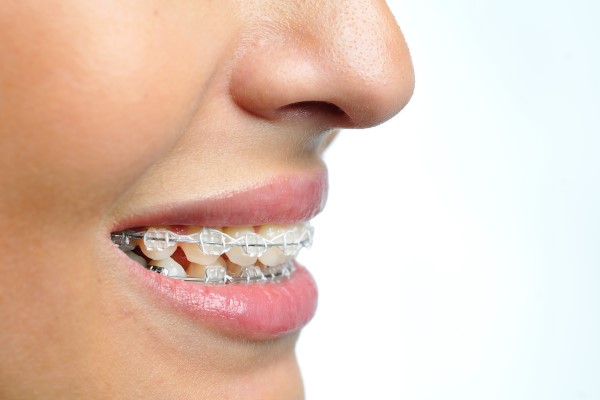
Each ceramic bracket is bonded to the front of the teeth using dental adhesive. A specialized archwire runs through the brackets and applies gentle, continuous pressure to gradually shift teeth into proper alignment. Periodic adjustments are necessary every four to eight weeks to maintain progress.
Treatment duration depends on the severity of the alignment issues. Most patients wear ceramic braces for approximately 18 to 30 months, although simpler cases may require less time while complex corrections may take longer.
Throughout treatment, the orthodontist carefully monitors tooth movement and makes adjustments as needed to ensure optimal results with minimal discomfort.
Benefits of Ceramic Braces
Many people choose ceramic braces because they provide effective orthodontic treatment while maintaining a natural appearance. Some of the most significant benefits include:
- Less noticeable than traditional metal braces.
- Blend naturally with tooth color.
- Suitable for teenagers and adults.
- Effective for correcting complex alignment issues.
- Comfortable due to smooth ceramic material.
- Resistant to everyday wear and corrosion.
- Provide highly predictable treatment results.
- Improve confidence during orthodontic treatment.
Patients who frequently interact with clients, coworkers, or the public often appreciate the subtle appearance of ceramic braces. Although they are slightly larger than metal brackets, their tooth-colored design helps them remain relatively discreet.
Ceramic Braces vs Metal Braces
Both ceramic and metal braces effectively straighten teeth, but they differ in appearance, durability, and maintenance requirements.
| Feature | Ceramic Braces | Metal Braces |
|---|---|---|
| Appearance | Tooth-colored and discreet | Highly visible |
| Material | Ceramic | Stainless steel |
| Durability | Strong but more fragile | Extremely durable |
| Staining | Elastic bands may stain | No staining concerns |
| Cost | Higher | More affordable |
| Comfort | Smooth surface | Slightly more noticeable |
| Treatment Time | Similar or slightly longer | Standard treatment duration |
While metal braces remain the strongest option, ceramic braces are often preferred by individuals who prioritize aesthetics throughout their orthodontic journey.
Who Is an Ideal Candidate?
Not everyone requires the same orthodontic treatment, and ceramic braces are suitable for many—but not all—patients. Ideal candidates generally include individuals with:
- Crooked teeth
- Crowded teeth
- Gaps between teeth
- Overbite
- Underbite
- Crossbite
- Mild to severe alignment issues
- Good oral hygiene habits
Adults are among the most common candidates because they often seek a less noticeable orthodontic solution for work or social settings. However, teenagers who are responsible about maintaining oral hygiene can also achieve excellent results.
An orthodontic consultation is the best way to determine whether ceramic braces are the right treatment option for your specific dental condition.
Treatment Process
The journey with ceramic braces typically begins with a detailed consultation. During this appointment, the orthodontist evaluates your teeth using digital scans, photographs, and X-rays to create a customized treatment plan.
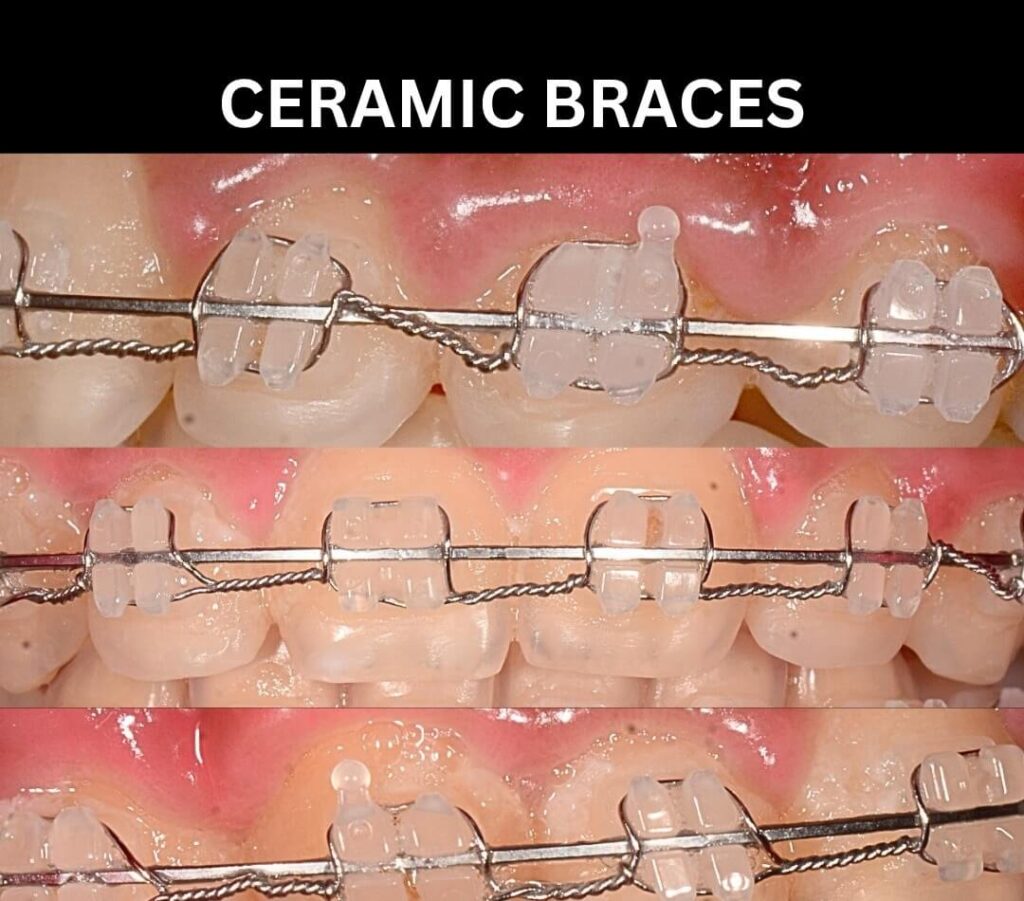
The brackets are carefully bonded to each tooth, followed by placement of the archwire. Initial discomfort is common during the first few days as the teeth begin to move, but this usually subsides quickly.
Patients return regularly for adjustments, where the orthodontist tightens or replaces the archwire to continue guiding tooth movement. These appointments are essential for maintaining steady progress.
After the desired alignment has been achieved, the braces are removed, and retainers are provided to help maintain the new position of the teeth. Wearing retainers as instructed is crucial for preventing teeth from shifting back.
Caring for Ceramic Braces
Proper care plays an important role in achieving successful treatment results. Since ceramic materials are designed to blend with natural teeth, maintaining cleanliness is especially important.
Here are several helpful care tips:
- Brush after every meal.
- Floss daily using orthodontic flossers.
- Avoid sticky candies.
- Limit hard foods that may damage brackets.
- Reduce coffee, tea, and colored beverages to minimize elastic staining.
- Attend every adjustment appointment.
- Use fluoride toothpaste.
- Wear protective mouthguards during sports.
Excellent oral hygiene not only keeps ceramic braces looking attractive but also helps prevent cavities, gum disease, and plaque buildup during treatment.
Foods to Eat and Avoid
Dietary adjustments can help protect braces and reduce the risk of broken brackets.
Recommended Foods
- Yogurt
- Rice
- Pasta
- Soft vegetables
- Scrambled eggs
- Bananas
- Oatmeal
- Smooth soups
Foods to Avoid
- Hard candy
- Popcorn
- Ice cubes
- Nuts
- Sticky caramel
- Chewing gum
- Crunchy chips
- Hard crust bread
Following these recommendations helps reduce emergency orthodontic visits while ensuring smoother treatment progress.
Possible Disadvantages
Although ceramic braces offer many advantages, they also have a few limitations worth considering before beginning treatment.
One concern is that ceramic brackets are generally more fragile than metal brackets. While modern materials are durable, they may chip or crack if subjected to excessive force. Additionally, elastic ties can become stained by foods and beverages such as coffee, curry, red wine, or tea if proper oral hygiene is not maintained.
Ceramic braces also tend to cost more than traditional metal braces because of the materials used and their cosmetic appeal. In some cases, treatment may take slightly longer since orthodontists apply gentler forces to reduce the risk of bracket damage.
Despite these disadvantages, many patients feel the aesthetic benefits make ceramic braces a worthwhile investment.
Cost of Ceramic Braces
The cost of ceramic braces varies depending on several factors, including the complexity of the orthodontic problem, treatment duration, geographic location, and the orthodontist’s experience.
Factors affecting the overall cost include:
- Initial consultation
- Diagnostic X-rays
- Bracket materials
- Adjustment appointments
- Retainers after treatment
- Overall treatment complexity
Although ceramic braces usually cost more than metal braces, many dental practices offer flexible payment plans that make treatment more affordable.
Patients should always request a complete treatment estimate before beginning orthodontic care to understand all associated expenses.
Tips for Getting the Best Results
Successful orthodontic treatment depends on patient cooperation as much as professional care.
To maximize treatment success:
- Follow every orthodontist recommendation.
- Brush thoroughly every day.
- Never skip adjustment appointments.
- Avoid damaging foods.
- Wear retainers after treatment.
- Report loose brackets promptly.
- Maintain regular dental cleanings.
- Stay patient throughout the treatment process.
Consistency and good oral hygiene significantly improve the final outcome while reducing the risk of treatment delays.
Conclusion
Ceramic braces have become one of the most popular orthodontic solutions for individuals who want effective teeth straightening without the highly visible appearance of traditional metal braces. Their tooth-colored design provides a discreet treatment option while delivering reliable results for correcting crooked teeth, overcrowding, gaps, and bite problems.
Although they require careful maintenance and may cost slightly more than metal braces, the cosmetic advantages make them an excellent choice for many teenagers and adults. Maintaining good oral hygiene, following dietary recommendations, and attending regular orthodontic appointments are essential for achieving the best possible outcome.
Read more: Optimum Nutrition: The Complete Guide to Better Health and Performance