A bright, white smile is often associated with confidence, good oral hygiene, and overall health. Over time, however, everyday habits like drinking coffee, tea, red wine, or smoking can stain your teeth, making them appear dull or yellow. Fortunately, teeth whitening toothpaste has become one of the most convenient and affordable ways to improve the appearance of your smile without expensive dental treatments.
Unlike professional whitening procedures, whitening toothpaste is designed for daily use and gradually removes surface stains while maintaining oral hygiene. With so many products available, choosing the right toothpaste can be confusing. Understanding how these products work, their ingredients, benefits, and limitations will help you make an informed decision. This guide explores everything you need to know about teeth whitening toothpaste, including how to use it effectively and safely for the best long-term results.
Why Teeth Become Stained
Teeth naturally lose their brightness over time due to various internal and external factors. Surface stains occur when pigments from foods and beverages stick to the enamel, while deeper stains may develop due to aging, medications, or certain medical conditions.
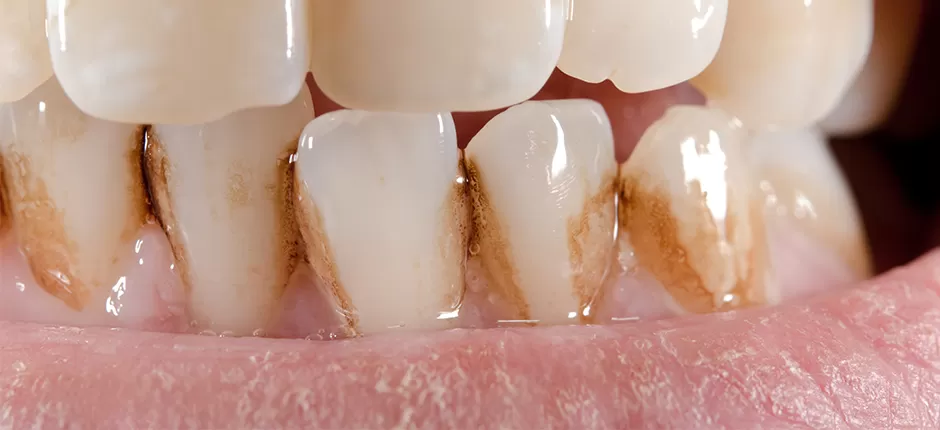
Some of the most common causes of tooth discoloration include:
- Coffee and tea consumption
- Red wine and dark-colored sodas
- Tobacco use
- Poor oral hygiene
- Aging
- Certain medications
- Excessive fluoride exposure during childhood
Although regular brushing removes plaque and food particles, it may not eliminate stubborn stains. This is where teeth whitening toothpaste can help by gently polishing the enamel and lifting surface discoloration over time.
How Teeth Whitening Toothpaste Works
Unlike professional bleaching treatments that change the internal color of teeth, whitening toothpaste primarily focuses on removing external stains. Most whitening formulas contain gentle polishing agents that scrub away discoloration without damaging healthy enamel when used correctly.
Some products also include mild whitening ingredients such as hydrogen peroxide or carbamide peroxide in lower concentrations. These ingredients help brighten teeth gradually with consistent use.
The effectiveness of whitening toothpaste depends on several factors, including the severity of staining, brushing habits, and the ingredients used. While results are generally subtle compared to professional whitening, regular use of teeth whitening toothpaste can noticeably improve the brightness of your smile over several weeks.
Key Ingredients Found in Whitening Toothpaste
Different brands use various ingredients to remove stains and enhance brightness. Understanding these ingredients can help you choose a product that matches your oral care needs.
Hydrated Silica
Hydrated silica is one of the most common mild abrasives used to polish away surface stains without causing excessive enamel wear.
Hydrogen Peroxide
Hydrogen peroxide is a gentle bleaching agent that helps lighten certain stains and improve tooth brightness over time.
Carbamide Peroxide
This ingredient breaks down into hydrogen peroxide and is commonly used in whitening products for gradual stain removal.
Baking Soda
Baking soda gently cleans teeth, neutralizes acids, and helps remove surface stains naturally.
Activated Charcoal
Some whitening toothpastes include activated charcoal to absorb surface stains, although scientific evidence regarding its long-term effectiveness remains limited.
Benefits of Using Teeth Whitening Toothpaste
Using whitening toothpaste consistently offers several advantages beyond improving the appearance of your teeth.
Some major benefits include:
- Removes surface stains effectively
- Brightens your smile gradually
- Supports daily oral hygiene
- Helps reduce plaque buildup
- Freshens breath
- Convenient and affordable
- Easy to include in your daily routine
- Safe for regular use when recommended by dentists
Many people choose teeth whitening toothpaste because it combines stain removal with cavity protection, making it a practical addition to everyday brushing.
Teeth Whitening Toothpaste vs Professional Whitening
Although both methods aim to improve tooth color, they differ significantly in effectiveness, cost, and treatment time.
| Feature | Teeth Whitening Toothpaste | Professional Whitening |
|---|---|---|
| Cost | Low | High |
| Treatment Time | Daily use for weeks | One or two appointments |
| Removes Surface Stains | Yes | Yes |
| Removes Deep Stains | Limited | Excellent |
| Daily Maintenance | Yes | No |
| Dentist Supervision | Not required | Required |
| Long-Term Results | Moderate | Significant |
Professional whitening is ideal for severe discoloration, while teeth whitening toothpaste is best for maintaining brightness and preventing new stains.
How to Choose the Best Teeth Whitening Toothpaste
Not every whitening toothpaste delivers the same results. Selecting the right product depends on your oral health, sensitivity, and whitening goals.
Look for Dentist-Recommended Products
Choose products that have been clinically tested and approved by recognized dental organizations.
Consider Tooth Sensitivity
If you experience discomfort while brushing, choose whitening toothpaste specifically formulated for sensitive teeth.
Check the Abrasiveness
Highly abrasive formulas may damage enamel if used excessively. Mild abrasives are generally safer for long-term use.
Fluoride Protection
Fluoride strengthens enamel and helps prevent cavities while whitening your teeth.
Read Ingredient Labels
Look for effective ingredients such as hydrated silica, hydrogen peroxide, or baking soda rather than relying solely on marketing claims.
Selecting the right teeth whitening toothpaste ensures better results while protecting your overall dental health.
Tips for Better Whitening Results
Even the best toothpaste cannot produce dramatic results without proper oral care habits. Following healthy dental practices can maximize whitening effectiveness.
For better outcomes:
- Brush twice every day for at least two minutes.
- Use a soft-bristled toothbrush.
- Floss daily to remove plaque between teeth.
- Limit coffee, tea, and red wine.
- Avoid smoking and tobacco products.
- Rinse your mouth after consuming staining foods.
- Visit your dentist regularly for professional cleanings.
- Replace your toothbrush every three months.
Consistency is the key to achieving noticeable improvements with teeth whitening toothpaste.
Common Myths About Whitening Toothpaste
Many misconceptions surround whitening toothpaste, leading to unrealistic expectations.
Myth 1: Whitening Toothpaste Bleaches Teeth Instantly
Most whitening toothpaste removes surface stains gradually rather than changing the natural tooth color overnight.
Myth 2: More Brushing Means Faster Whitening
Excessive brushing can wear down enamel and increase sensitivity instead of improving results.
Myth 3: All Whitening Toothpaste Is the Same
Different products use different ingredients, abrasiveness levels, and whitening technologies.
Myth 4: Whitening Toothpaste Damages Teeth
When used according to instructions, quality whitening toothpaste is generally safe and effective.
Understanding these myths helps users set realistic expectations before purchasing teeth whitening toothpaste.
Possible Side Effects
Although whitening toothpaste is considered safe for most people, some users may experience mild side effects.
Possible issues include:
- Temporary tooth sensitivity
- Mild gum irritation
- Increased sensitivity to cold foods
- Enamel wear from excessive brushing with abrasive products
If symptoms persist, discontinue use and consult your dentist for personalized recommendations.
People with dental restorations such as crowns, veneers, or fillings should remember that whitening toothpaste does not change the color of these materials.
Who Should Use Whitening Toothpaste?
Whitening toothpaste is suitable for many adults looking to maintain or improve the appearance of their smiles. It works particularly well for people with mild surface staining caused by food, beverages, or smoking.
However, individuals with severe discoloration, damaged enamel, untreated cavities, or gum disease should seek professional dental advice before beginning any whitening routine.

Children should only use whitening toothpaste if recommended by a dental professional, as their developing teeth require specialized care.
When used correctly, teeth whitening toothpaste becomes an excellent addition to a complete oral hygiene routine that includes regular brushing, flossing, and professional dental checkups.
How Long Does It Take to See Results?
Results vary depending on the type of stains and the specific product used. Most users begin noticing gradual improvements after two to six weeks of consistent brushing.
Factors affecting whitening speed include:
- Severity of staining
- Brushing technique
- Product ingredients
- Frequency of staining foods and beverages
- Overall oral hygiene habits
Patience and consistency are essential. Whitening toothpaste provides gradual improvement rather than immediate dramatic changes.
Conclusion
A brighter smile can boost confidence and enhance your overall appearance, and teeth whitening toothpaste offers one of the easiest ways to reduce everyday stains while maintaining excellent oral hygiene. Although it cannot match the dramatic effects of professional dental whitening treatments, it remains a practical, affordable, and safe solution for removing surface discoloration and preserving a cleaner, fresher smile.
Choosing a quality product with proven ingredients, following proper brushing techniques, and maintaining healthy eating habits will maximize your results. Remember that consistent use, regular dental visits, and good oral care practices work together to keep your teeth healthy and bright.
Read more: Ceramic Braces: Complete Guide to Cost, Benefits & Care