Oral health plays a vital role in overall well-being, and national dental care initiatives help individuals maintain healthy teeth and gums throughout their lives. Good dental health not only improves appearance and confidence but also contributes to better physical health by reducing the risk of infections and chronic diseases. As awareness of oral hygiene continues to grow, more people are recognizing the importance of regular dental checkups, preventive care, and proper daily habits.
The concept of national dental care focuses on making dental services accessible, affordable, and effective for communities. Through preventive programs, educational campaigns, and professional treatments, dental care systems aim to improve oral health outcomes for people of all ages. Whether it involves routine cleanings, cavity prevention, or advanced restorative procedures, dental care plays an essential role in maintaining a healthy lifestyle.
This comprehensive guide explores the significance of dental health, the benefits of preventive care, common treatments, oral hygiene practices, and the future of modern dentistry.
Understanding National Dental Care
Dental care systems are designed to support the oral health needs of individuals and communities. They provide access to professional dental services, preventive programs, and educational resources that encourage healthy habits. The goal is to reduce the prevalence of oral diseases while promoting long-term dental wellness.
The importance of national dental care extends beyond treating dental problems. Preventive measures help identify issues before they become severe, reducing treatment costs and improving quality of life. Dental professionals work to educate patients about proper brushing, flossing, and dietary choices that support healthy teeth and gums.
Modern dental care also emphasizes early intervention. Detecting cavities, gum disease, and oral infections at an early stage allows for more effective treatment. This proactive approach helps prevent complications that may affect overall health and well-being.
By combining education, prevention, and treatment, dental care systems contribute significantly to public health and improved oral hygiene standards.
Why Oral Health Matters
Oral health is closely connected to overall health. The mouth serves as an entry point to the body, and poor oral hygiene can lead to various health issues. Bacteria from untreated dental conditions may contribute to infections, inflammation, and complications affecting other organs.
Healthy teeth and gums support essential daily activities such as eating, speaking, and smiling. Dental problems can cause pain, discomfort, and difficulty performing routine tasks. Maintaining good oral health helps preserve functionality while enhancing self-confidence.
Research continues to highlight links between oral health and conditions such as heart disease, diabetes, and respiratory infections. While maintaining oral hygiene alone cannot prevent these conditions, it can reduce associated risks and improve overall wellness.
The focus of national dental care is to ensure individuals receive the guidance and services needed to maintain strong oral health throughout every stage of life.
Benefits of Preventive Dental Care
Preventive dentistry is one of the most effective strategies for maintaining healthy teeth and gums. Regular dental visits allow professionals to identify problems before they worsen, reducing the need for extensive treatments.
Some key benefits of preventive dental care include:
- Early detection of cavities
- Prevention of gum disease
- Professional plaque and tartar removal
- Improved oral hygiene habits
- Reduced long-term treatment costs
- Better overall health outcomes
- Enhanced confidence and appearance
Routine preventive care helps preserve natural teeth and minimizes the risk of severe dental issues. Through education and regular monitoring, patients can take proactive steps toward maintaining optimal oral health.
Preventive services often include dental examinations, cleanings, fluoride treatments, and sealants. These procedures work together to protect teeth and prevent common dental problems.
Common Dental Problems and Their Causes
Many dental issues develop gradually and can be prevented through proper oral hygiene and regular professional care. Understanding common dental problems helps individuals recognize symptoms early and seek appropriate treatment.
Tooth Decay
Tooth decay occurs when bacteria produce acids that damage tooth enamel. Poor oral hygiene, excessive sugar consumption, and infrequent dental visits contribute to cavity formation.
Gum Disease
Gum disease begins with inflammation caused by plaque buildup along the gumline. If left untreated, it may progress to more severe stages, potentially leading to tooth loss.
Bad Breath
Persistent bad breath often results from poor oral hygiene, gum disease, dry mouth, or certain medical conditions. Professional evaluation can help identify underlying causes.
Tooth Sensitivity
Sensitive teeth may cause discomfort when consuming hot, cold, sweet, or acidic foods. Common causes include enamel erosion, gum recession, and dental decay.
Through effective national dental care programs, these issues can be addressed through education, prevention, and timely treatment.
Essential Oral Hygiene Practices
Daily oral hygiene forms the foundation of good dental health. Consistent habits help prevent plaque buildup, cavities, and gum disease.
Brushing Properly
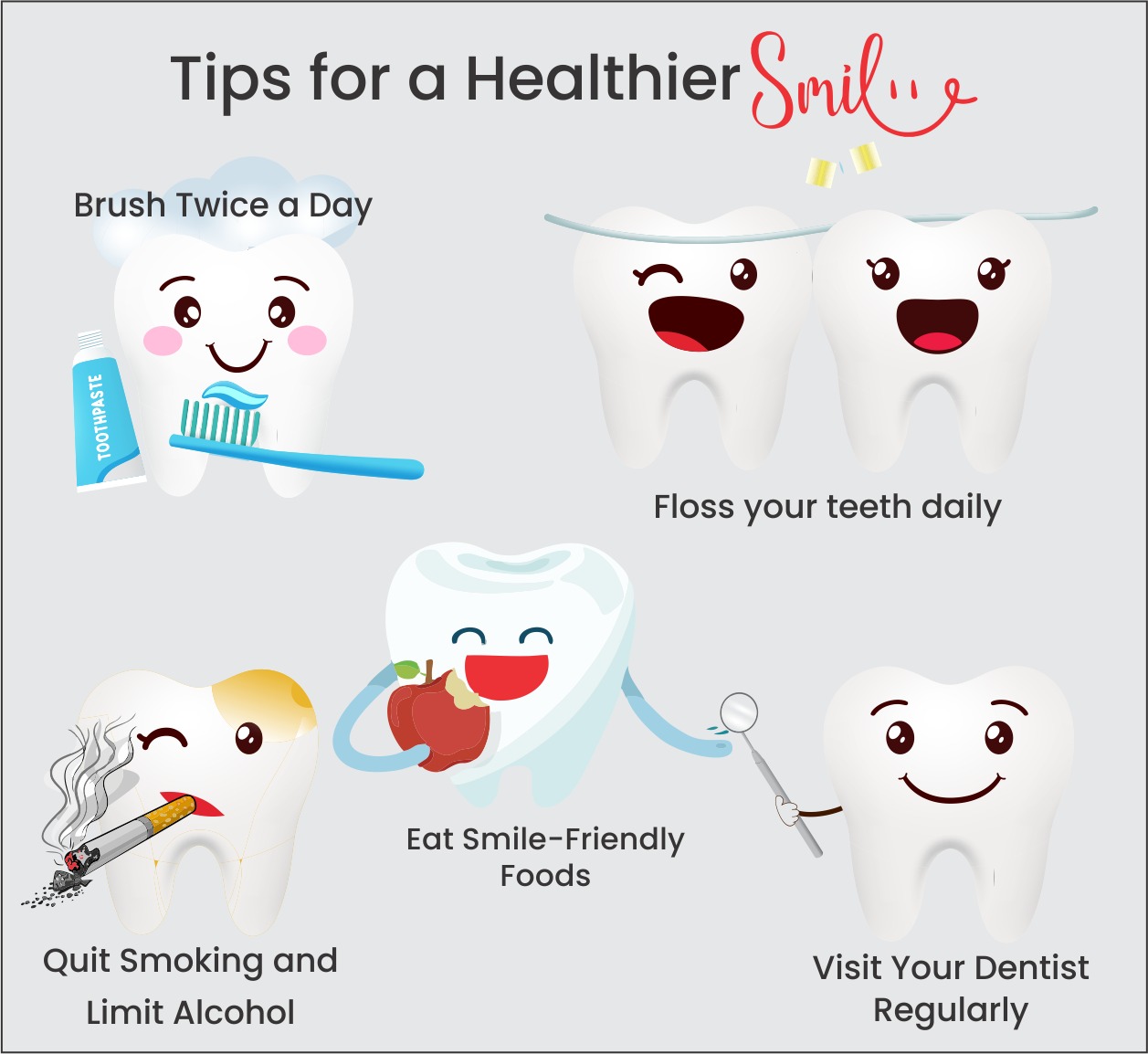
Brush teeth at least twice daily using fluoride toothpaste. Gentle circular motions help remove plaque while protecting enamel and gums.
Flossing Every Day
Flossing removes food particles and plaque from areas that toothbrushes cannot reach. Daily flossing helps prevent gum disease and cavities between teeth.
Using Mouthwash
Antimicrobial mouthwash can reduce bacteria, freshen breath, and support overall oral hygiene when used as part of a complete dental care routine.
Maintaining a Healthy Diet
Limiting sugary snacks and beverages helps reduce the risk of tooth decay. Consuming fruits, vegetables, dairy products, and water supports strong teeth and healthy gums.
Consistent oral hygiene habits complement professional dental care and contribute to long-term oral wellness.
Types of Dental Treatments Available
Modern dentistry offers a wide range of treatments designed to restore, protect, and enhance oral health. These services address both functional and cosmetic concerns.
| Treatment Type | Purpose | Common Benefits |
|---|---|---|
| Dental Cleaning | Remove plaque and tartar | Prevent cavities and gum disease |
| Fillings | Repair cavities | Restore tooth structure |
| Root Canal Therapy | Treat infected tooth pulp | Save natural teeth |
| Crowns | Protect damaged teeth | Improve strength and appearance |
| Dental Implants | Replace missing teeth | Restore function and aesthetics |
| Orthodontics | Correct alignment issues | Improve bite and smile |
| Teeth Whitening | Enhance tooth color | Improve appearance |
Access to comprehensive treatments through national dental care programs helps individuals maintain healthy smiles and address dental concerns effectively.
The Role of Dental Professionals
Dental professionals play a critical role in promoting oral health and preventing disease. Their expertise helps patients understand proper oral hygiene techniques while providing essential diagnostic and treatment services.
Dentists perform examinations, identify oral health issues, and develop personalized treatment plans. Dental hygienists focus on preventive care, professional cleanings, and patient education. Together, these professionals support patients in maintaining healthy teeth and gums.

Beyond clinical care, dental teams contribute to community health through awareness campaigns and educational programs. They help individuals understand the importance of regular dental visits and encourage healthy lifestyle choices that benefit oral health.
The success of national dental care systems depends heavily on the dedication and expertise of dental professionals who provide quality care and promote preventive practices.
Dental Care for Children
Establishing healthy dental habits during childhood lays the foundation for lifelong oral health. Early dental visits help children become comfortable with professional care while allowing dentists to monitor development and address concerns promptly.
Parents play a vital role in teaching proper brushing and flossing techniques. Supervising oral hygiene routines ensures children develop effective habits that protect their teeth and gums.
Preventive treatments such as fluoride applications and dental sealants provide additional protection against cavities. Regular checkups help identify issues early and support healthy dental development.
Educational programs within national dental care initiatives often focus on children because early intervention can significantly reduce future dental problems. Encouraging positive oral health behaviors from a young age contributes to healthier communities and improved long-term outcomes.
Dental Care for Adults and Seniors
Oral health needs evolve throughout adulthood and later life. Adults face challenges such as gum disease, tooth wear, and restorative dental needs, while seniors may experience additional concerns related to aging.
Regular dental visits remain essential for detecting and managing oral health issues. Professional cleanings, screenings, and preventive treatments help preserve natural teeth and maintain oral function.
Older adults may require specialized care to address dry mouth, tooth loss, or dental restorations. Maintaining proper oral hygiene remains critical for preventing complications and supporting overall health.
Comprehensive national dental care programs aim to meet the diverse needs of adults and seniors by providing access to preventive services, restorative treatments, and educational resources.
The Future of Dental Care
Advancements in dental technology continue to transform the patient experience. Digital imaging, laser dentistry, and computer-assisted treatment planning have improved diagnostic accuracy and treatment outcomes.
Innovations in preventive care are helping reduce the prevalence of oral diseases through early detection and personalized treatment strategies. Telehealth consultations and digital communication tools are also expanding access to dental information and support.
Artificial intelligence and advanced diagnostic systems may further enhance dental care by identifying issues earlier and assisting professionals in treatment planning. These developments have the potential to improve efficiency, accuracy, and patient satisfaction.
As technology evolves, national dental care systems will continue adapting to meet changing needs while maintaining a strong focus on prevention, accessibility, and patient-centered care.
Conclusion
Maintaining excellent oral health requires a combination of daily hygiene practices, regular dental visits, and access to professional care. Effective national dental care programs support individuals and communities by promoting prevention, education, and timely treatment. Through routine checkups, healthy habits, and modern dental services, people can protect their teeth and gums while improving overall well-being.
Read more: Health Tips: A Complete Guide to a Healthy and Active Lifestyle