
Vitamin D plays a vital role in maintaining healthy bones, muscles, and the immune system. Although it is often called the “sunshine vitamin,” millions of people worldwide suffer from low vitamin D levels due to limited sunlight exposure, poor dietary habits, and certain medical conditions. Recognizing vitamin d deficiency symptoms early can help prevent serious health complications and improve overall well-being.
Vitamin D helps the body absorb calcium and phosphorus, which are essential for strong bones and teeth. It also supports muscle function, brain health, and immune defense. When vitamin D levels drop below the recommended range, the body starts showing various warning signs that are often mistaken for other illnesses.
In this comprehensive guide, you’ll learn about the causes, symptoms, diagnosis, treatment options, and preventive measures for vitamin D deficiency.
What Is Vitamin D Deficiency?
Vitamin D deficiency occurs when your body does not have enough vitamin D to perform its normal functions. Since vitamin D is essential for calcium absorption, a deficiency can weaken bones, reduce muscle strength, and increase the risk of fractures.
Vitamin D is naturally produced in the skin after exposure to sunlight. It can also be obtained through certain foods and dietary supplements. However, many people fail to get adequate amounts because of indoor lifestyles, sunscreen use, darker skin tones, aging, or digestive disorders.
Understanding vitamin d deficiency symptoms is important because the condition often develops gradually. Some individuals may not notice any signs until the deficiency becomes severe.
Common Vitamin D Deficiency Symptoms
One of the biggest challenges with vitamin D deficiency is that its symptoms can be subtle during the early stages. As the deficiency progresses, various physical and mental symptoms begin to appear.
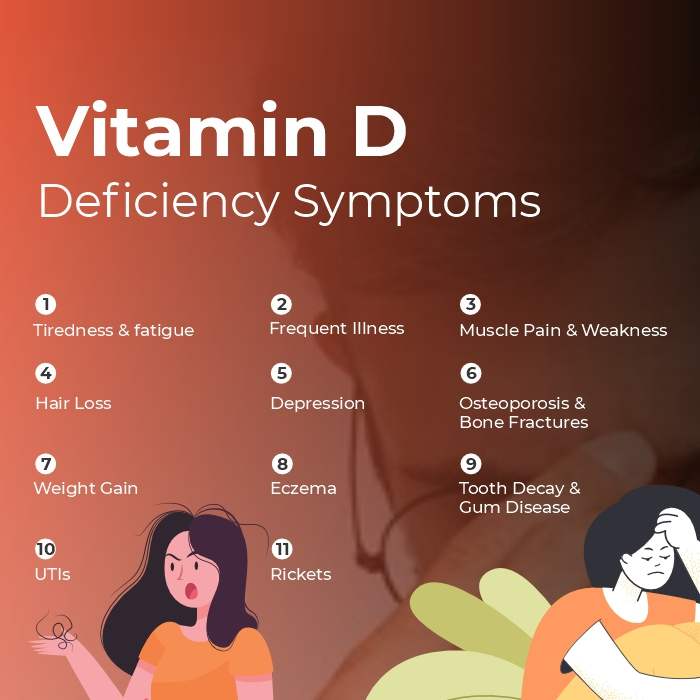
Some of the most common symptoms include:
- Constant fatigue and low energy
- Muscle weakness
- Bone pain
- Frequent illnesses or infections
- Joint discomfort
- Mood changes or depression
- Slow wound healing
- Hair thinning or hair loss
- Difficulty climbing stairs
- Increased risk of fractures
Many of these vitamin d deficiency symptoms overlap with other medical conditions, making proper diagnosis important. If several of these signs persist for weeks, consulting a healthcare professional is recommended.
Why Does Vitamin D Deficiency Occur?
There are several reasons why someone may develop vitamin D deficiency. Lifestyle habits, environmental factors, and underlying medical conditions all play a role.
1. Lack of Sunlight
The skin produces vitamin D when exposed to ultraviolet B (UVB) rays from sunlight. Spending most of the day indoors significantly reduces vitamin D production.
2. Poor Diet
Foods naturally rich in vitamin D are limited. Individuals who avoid dairy products, fatty fish, or fortified foods may have insufficient intake.
3. Aging
Older adults produce less vitamin D through the skin and often spend less time outdoors.
4. Digestive Disorders
Conditions like Crohn’s disease, celiac disease, and inflammatory bowel disease reduce vitamin D absorption.
5. Obesity
Vitamin D can become trapped in body fat, lowering the amount available for normal body functions.
Recognizing these risk factors along with vitamin d deficiency symptoms helps identify individuals who may need screening.
Who Is at Higher Risk?
Certain groups are more likely to develop vitamin D deficiency than others.
| Risk Group | Reason |
|---|---|
| Older adults | Reduced skin production |
| Office workers | Limited sunlight exposure |
| Pregnant women | Increased nutritional needs |
| Breastfeeding mothers | Higher vitamin D demand |
| People with obesity | Lower vitamin D availability |
| Individuals with digestive disorders | Poor nutrient absorption |
| People with darker skin | Reduced vitamin D production |
These individuals should pay close attention to possible vitamin d deficiency symptoms and consider regular health checkups.
How Vitamin D Deficiency Affects the Body
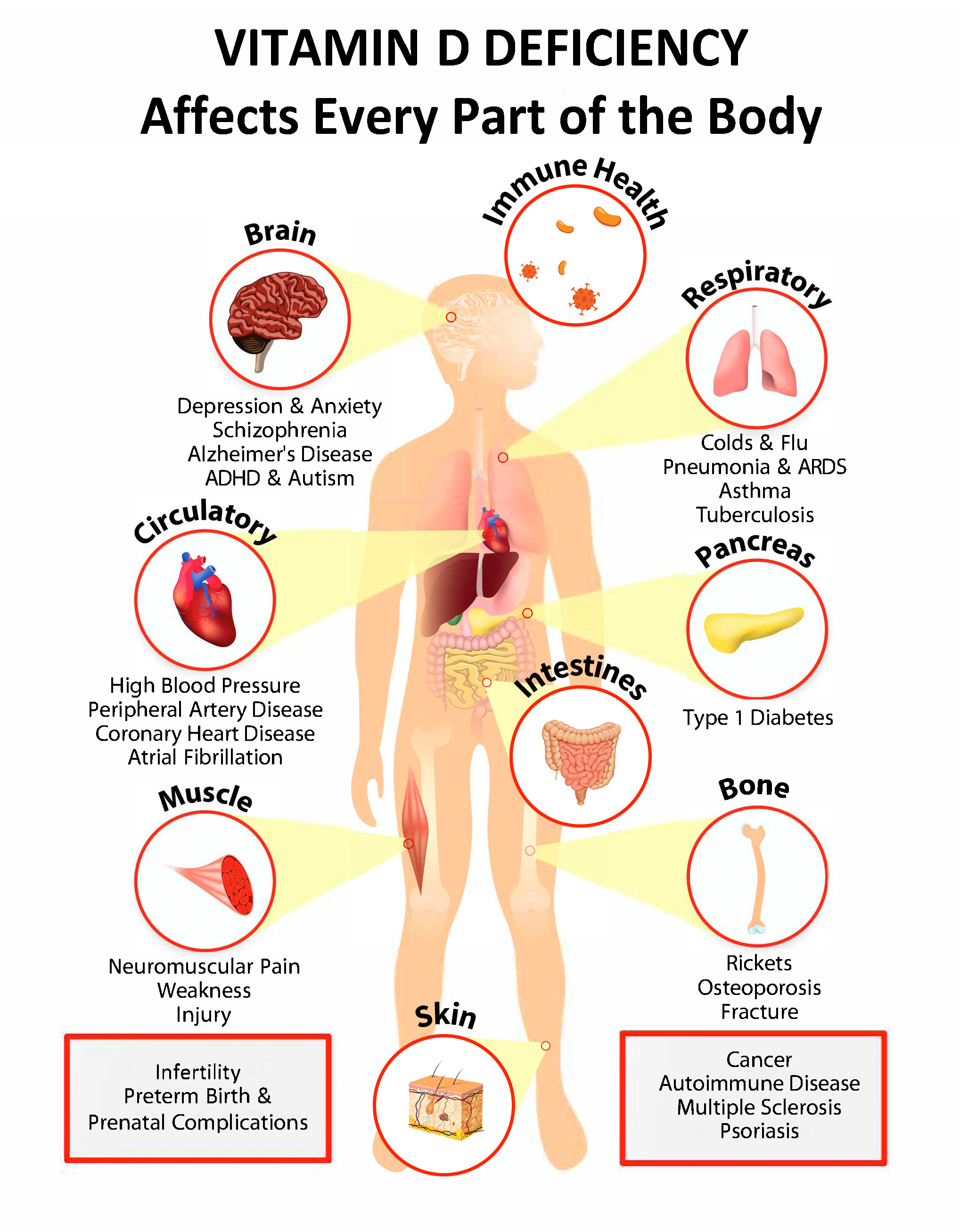
Vitamin D influences multiple organs and body systems, making its deficiency more serious than many people realize.
Bone Health
Without enough vitamin D, calcium absorption decreases, causing bones to become weak and brittle. Adults may develop osteomalacia, while children can develop rickets.
Muscle Function
Vitamin D supports muscle strength and coordination. Deficiency often causes muscle pain, weakness, and difficulty performing daily activities.
Immune System
Vitamin D helps regulate immune responses. Low levels may increase susceptibility to respiratory infections and prolonged illnesses.
Mental Health
Research suggests that vitamin D deficiency may contribute to mood disorders, anxiety, and depression. While it is not the sole cause, maintaining healthy vitamin D levels supports emotional well-being.
Diagnosis of Vitamin D Deficiency
Doctors diagnose vitamin D deficiency using a simple blood test called the 25-hydroxy vitamin D test.
Generally, vitamin D levels are classified as:
- Severe deficiency: Less than 12 ng/mL
- Deficiency: 12–20 ng/mL
- Insufficiency: 20–30 ng/mL
- Normal: Above 30 ng/mL
Your doctor may also evaluate calcium, phosphorus, and parathyroid hormone levels if severe deficiency is suspected.
Early testing becomes especially important when vitamin d deficiency symptoms continue despite a healthy lifestyle.
Treatment Options
Treatment depends on the severity of the deficiency and the individual’s age and health status.
Vitamin D Supplements
Doctors often recommend vitamin D3 supplements because they are more effective at raising blood vitamin D levels than vitamin D2.
Dosage varies depending on deficiency severity and should only be taken according to medical advice.
Dietary Improvements
Include vitamin D-rich foods such as:
- Fatty fish (salmon, sardines, tuna)
- Egg yolks
- Fortified milk
- Fortified cereals
- Mushrooms exposed to sunlight
- Cheese in moderation
Safe Sun Exposure
Around 15–30 minutes of sunlight exposure several times a week may help maintain healthy vitamin D levels, depending on skin type, location, and season.
Can Vitamin D Deficiency Be Prevented?
Yes. Most people can prevent deficiency through simple lifestyle habits.
Preventive measures include:
- Spending moderate time outdoors
- Eating vitamin D-rich foods regularly
- Maintaining a balanced diet
- Exercising regularly
- Managing body weight
- Taking supplements when recommended
- Getting periodic blood tests if at risk
Following these practices reduces the likelihood of developing vitamin d deficiency symptoms later in life.
Possible Complications If Left Untreated
Ignoring vitamin D deficiency for long periods can lead to serious health problems.
Potential complications include:
- Osteoporosis
- Osteomalacia
- Frequent bone fractures
- Chronic muscle weakness
- Persistent fatigue
- Increased fall risk in older adults
- Poor immune function
- Dental problems
- Delayed growth in children
Fortunately, most complications can be prevented through early diagnosis and appropriate treatment.
Lifestyle Tips for Healthy Vitamin D Levels
Maintaining healthy vitamin D levels requires a combination of good nutrition, outdoor activity, and regular health monitoring.
Helpful daily habits include:
- Take short morning walks.
- Eat balanced meals containing healthy fats.
- Include fortified dairy products.
- Exercise regularly.
- Avoid prolonged indoor lifestyles.
- Follow prescribed supplements if needed.
- Monitor vitamin D levels during routine health checkups.
Consistency is more important than occasional large changes. Small healthy habits can make a significant difference over time.
Conclusion
Vitamin D is essential for maintaining strong bones, healthy muscles, a robust immune system, and overall physical and mental health. Unfortunately, many people remain unaware of their deficiency until noticeable health issues develop. Learning to recognize vitamin d deficiency symptoms allows for early diagnosis and timely treatment before complications arise. A healthy lifestyle that includes safe sunlight exposure, a nutritious diet rich in vitamin D, regular exercise, and medical checkups can significantly reduce the risk of deficiency. If you experience persistent fatigue, muscle weakness, bone pain, or frequent illnesses, consult a healthcare professional for proper evaluation rather than self-diagnosing.
Read more: Teeth Whitening Toothpaste: Complete Guide for a Brighter Smile


